
Bellmer Nauman Pondick: Material Desire
March 6 — May 30, 2026
In collaboration with Sonnabend, New York and Ubu Gallery, New York

![Hans Bellmer, Nous la suivons à pas lents ["We Follow Her with Slow Steps"] For the deluxe edition of Les Jeux de la poupée ["The Doll's Games"], 1936-37 (printed prior to 1949)](https://images.squarespace-cdn.com/content/v1/5357b912e4b05f063e7323df/1768880471537-YCA5P30OROKBVVK0PJN3/HB-25-03-image.jpg)
![Hans Bellmer, La Poupée ["The Doll'], or La Bouche ["The Mouth"], 1936 (printed 1949 or earlier)](https://images.squarespace-cdn.com/content/v1/5357b912e4b05f063e7323df/1768880471827-VL7A0CP43J98BXMSPI8K/HB-25-04-image.jpg)
![Hans Bellmer, La Poupée ["The Doll"], 1935](https://images.squarespace-cdn.com/content/v1/5357b912e4b05f063e7323df/1768880478522-GD983IUDIRUKQ94KOC0P/HB-25-01-image.jpg)
Nunu Fine Art, New York is pleased to announce the exhibition Bellmer Nauman Pondick: Material Desire, which brings together three artists—Hans Bellmer, Bruce Nauman, and Rona Pondick—separated by generations and geographies, yet united by their engagement with the human body as material, and subject, and as a tool for experimentation and exploration of the implications of the psychic self. “Guided by Rona Pondick’s selection of the artists’ works, her own practice, and her deep, career-long engagement with the body, we are encouraged to look differently, ahistorically, and creatively at the juxtaposition of these artists, despite their temporal and geographical remove from one another.” *
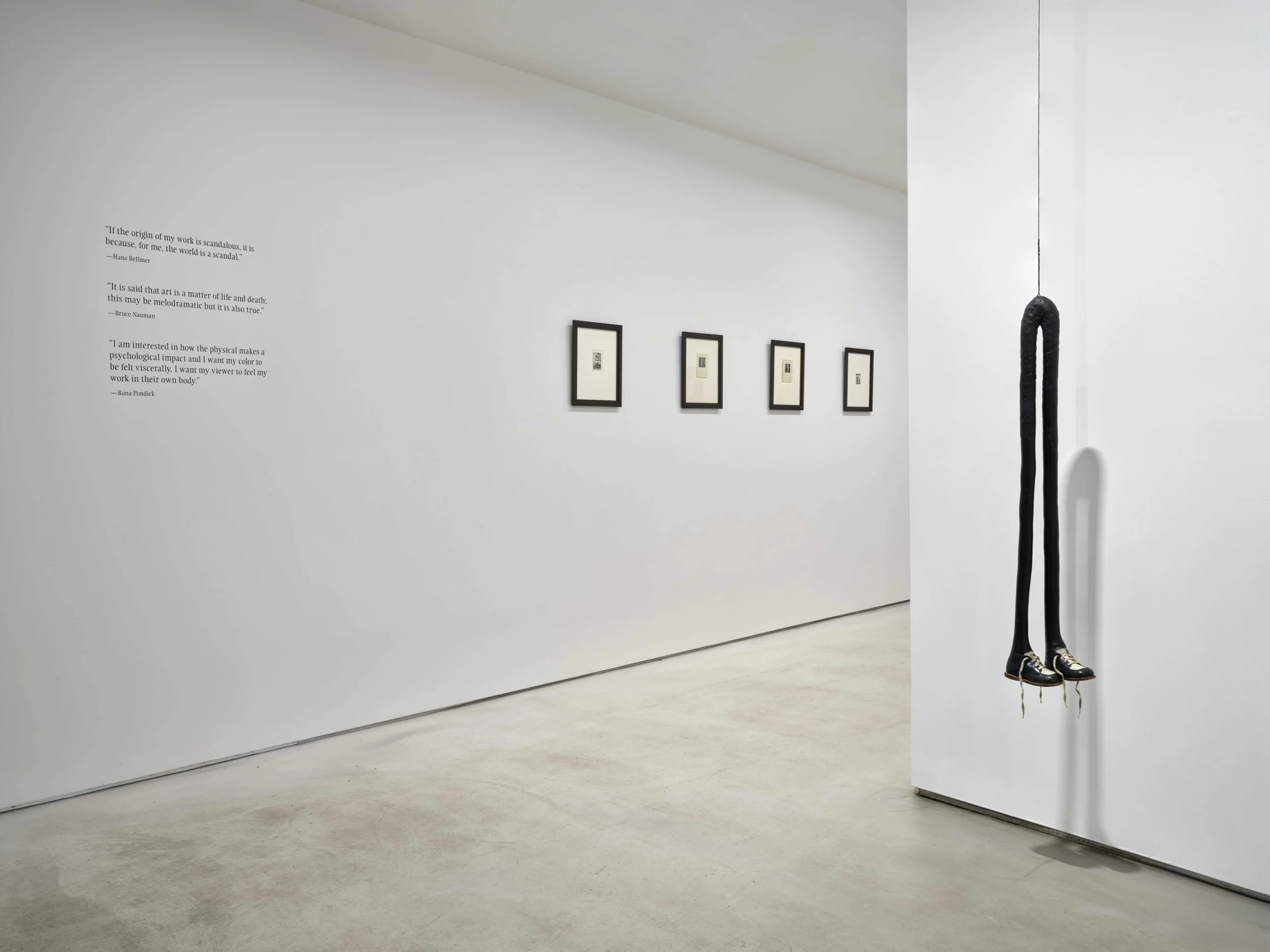
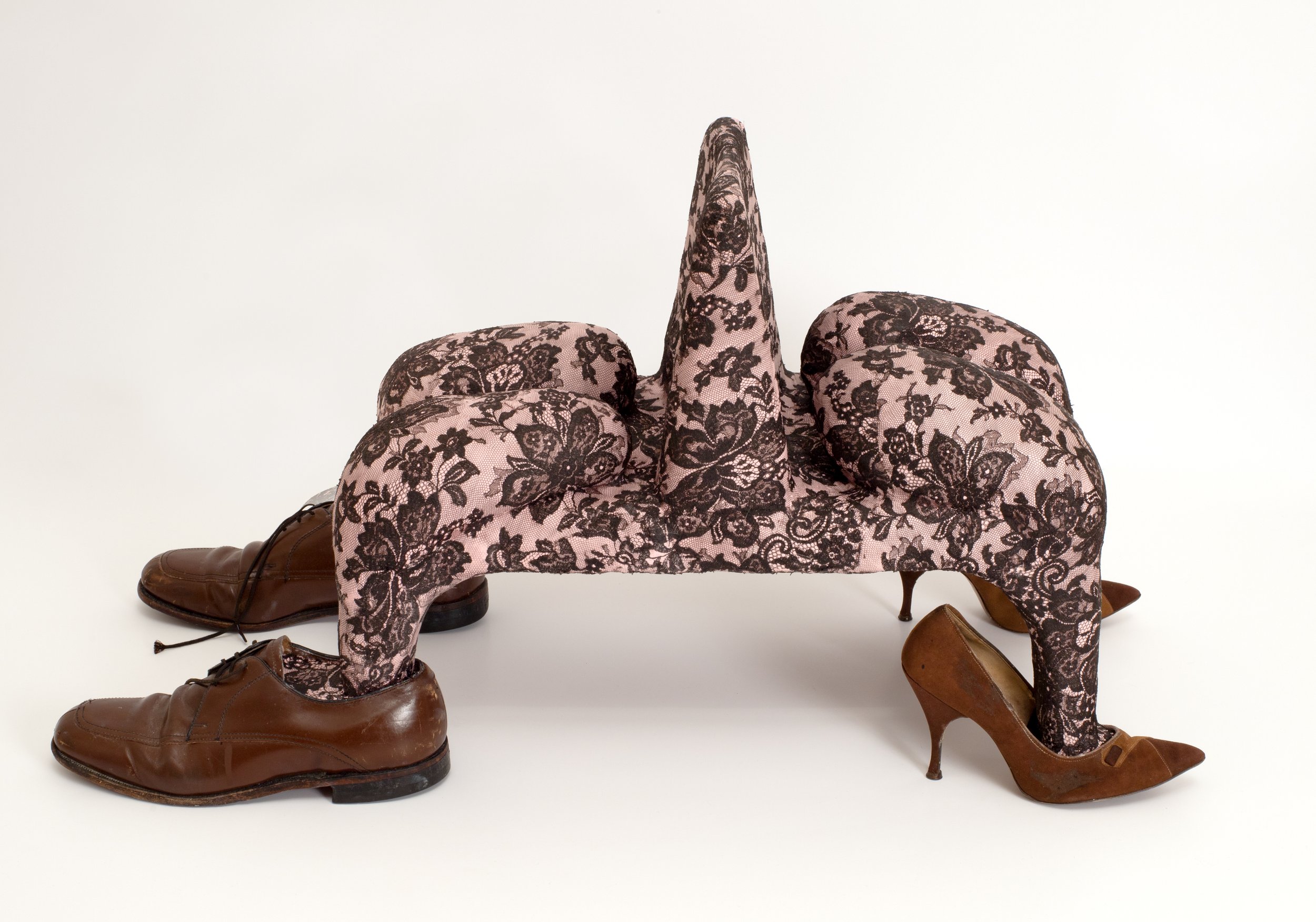
The exhibition will showcase vintage photographs from Bellmer’s 1930s La Poupée series, photographic works and videos from the 1970s by Nauman, and a selection of Pondick’s sculptures, primarily from the 1990s, to examine the desire to understand and shape the self; not by depicting the whole, but by disassembling its parts. For all these artists, the body is a vehicle for the exploration of psychological impulses, grounded in the materiality and color of their work, and in the spaces that the work occupies.
Bellmer’s iconic La Poupée dolls, with their ball-jointed, mutable anatomies, suggest a body caught between trauma, play, and invention. His photographic tableaux, made during the inter-war period in Germany, staged these theatrical disarticulated surrogates in exaggerated, impossible, and suggestive poses. As Bellmer stated: “…the body is like a sentence that invites us to rearrange it, so that its real meaning becomes clear through a series of endless anagrams. I wanted to reveal what is usually kept hidden...”* Bellmer’s dolls become both surrogates and symbols that reflect a range of desires, while being provocative about how representations of the feminine body and gender were used during the Nazi era. Bellmer was labeled a degenerate artist, and in 1938, he fled from Berlin to France, where he joined the resistance, and was captured and interned in a camp in Aix-en-Provence. Upon his release in 1940, Bellmer’s focus expanded to drawing, engraving, painting, and sculpture, all centered on the body.
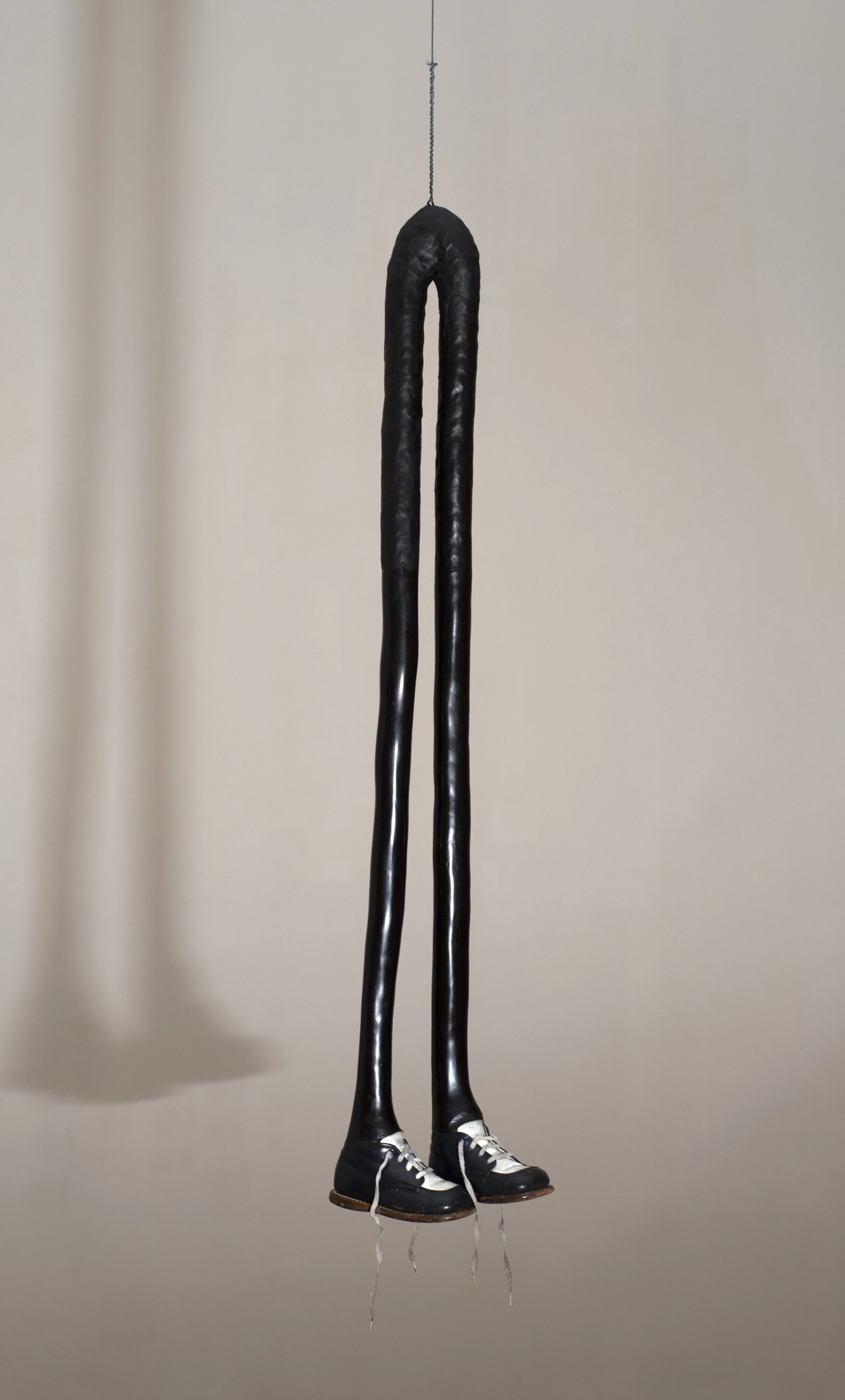
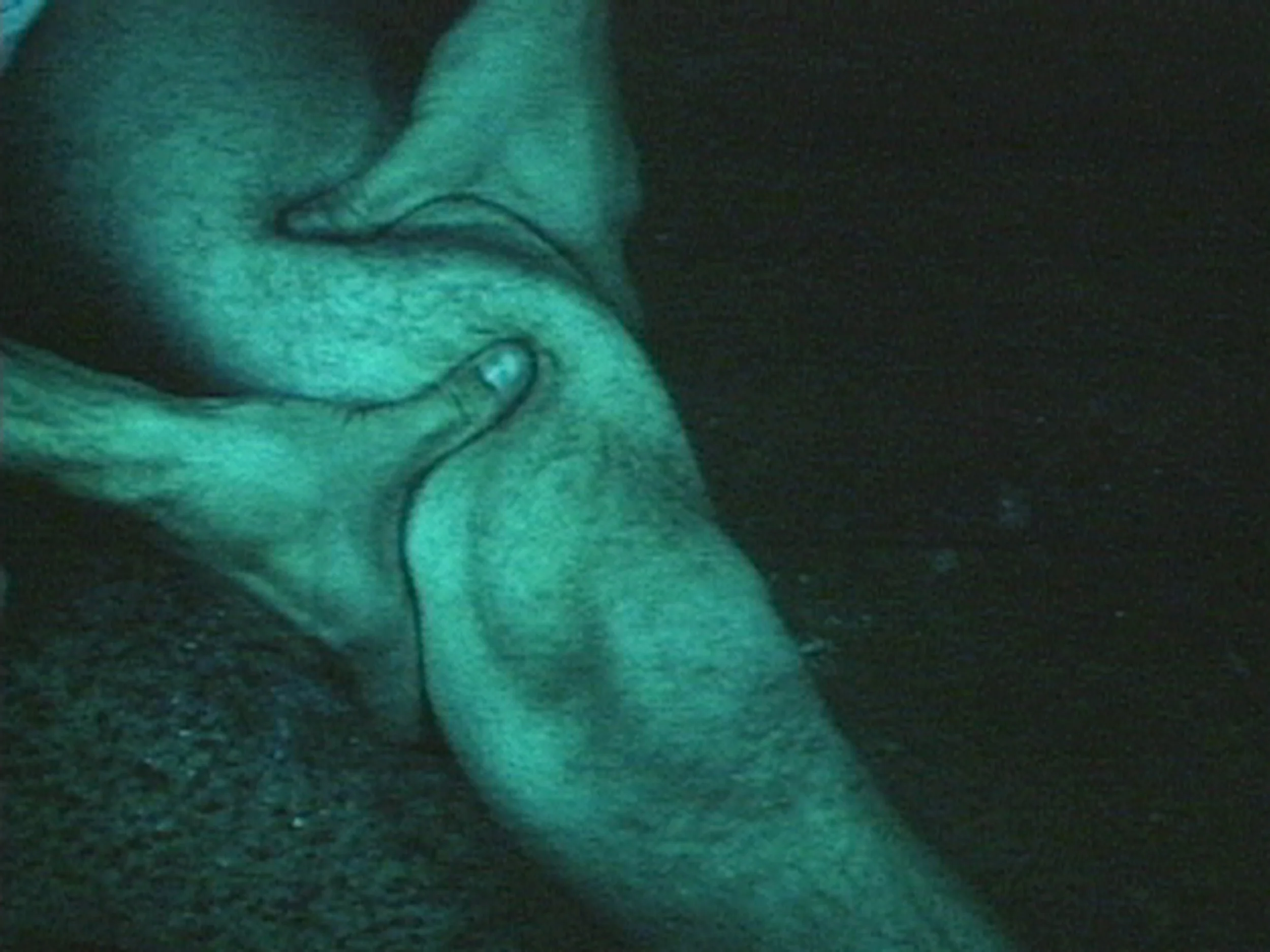
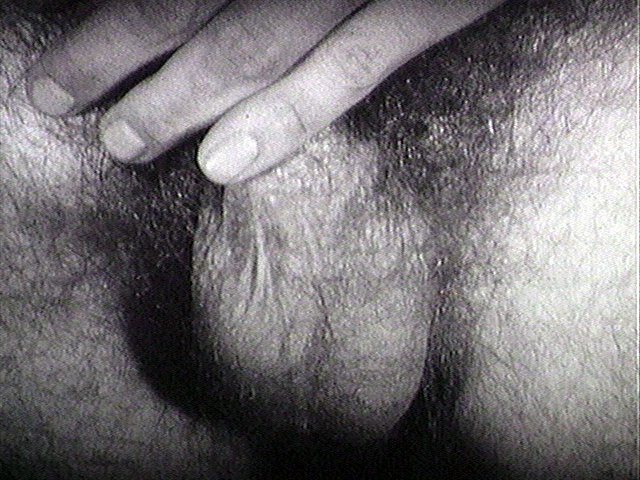
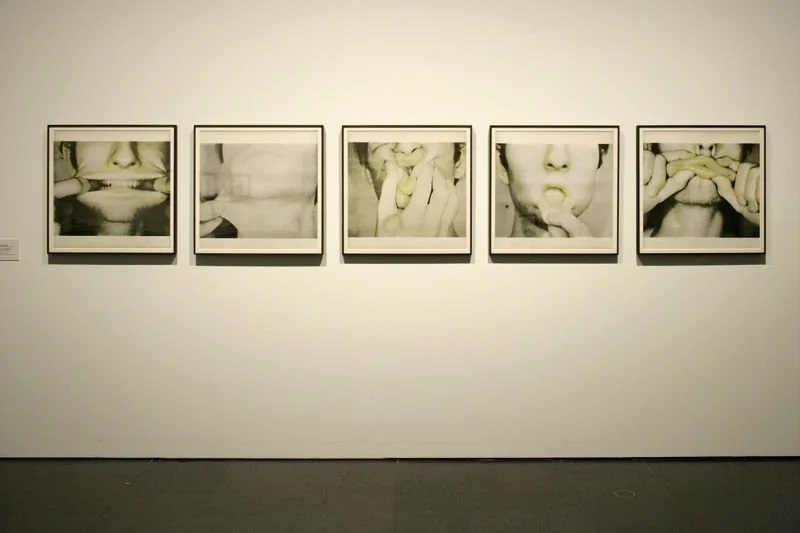
During the 1960s and 70s, Nauman turned toward using his own body as a medium and subject. In much of this work, he renders the body uncanny, sometimes absurd, but always charged. This exhibition includes five studies for holograms and two videos, all from the early 70s, where he manipulates his face, thigh, and genitals obsessively. In Bouncing Balls, Nauman jostles his scrotum repeatedly. In 1969, speaking in psychologically revealing terms, Nauman said, “Whenever I give a public presentation of something I did in the studio, I go through an incredible amount of self-exposure which can also function, paradoxically, as a defense.”* Since the 80s, Nauman has continued to work with photography and video, while adding other sculptural forms including casts of his own head and hands, and found taxidermy. Experimenting in a wide range of mediums and materials, Nauman is continuously exploring the psychological potential of the body through its parts.
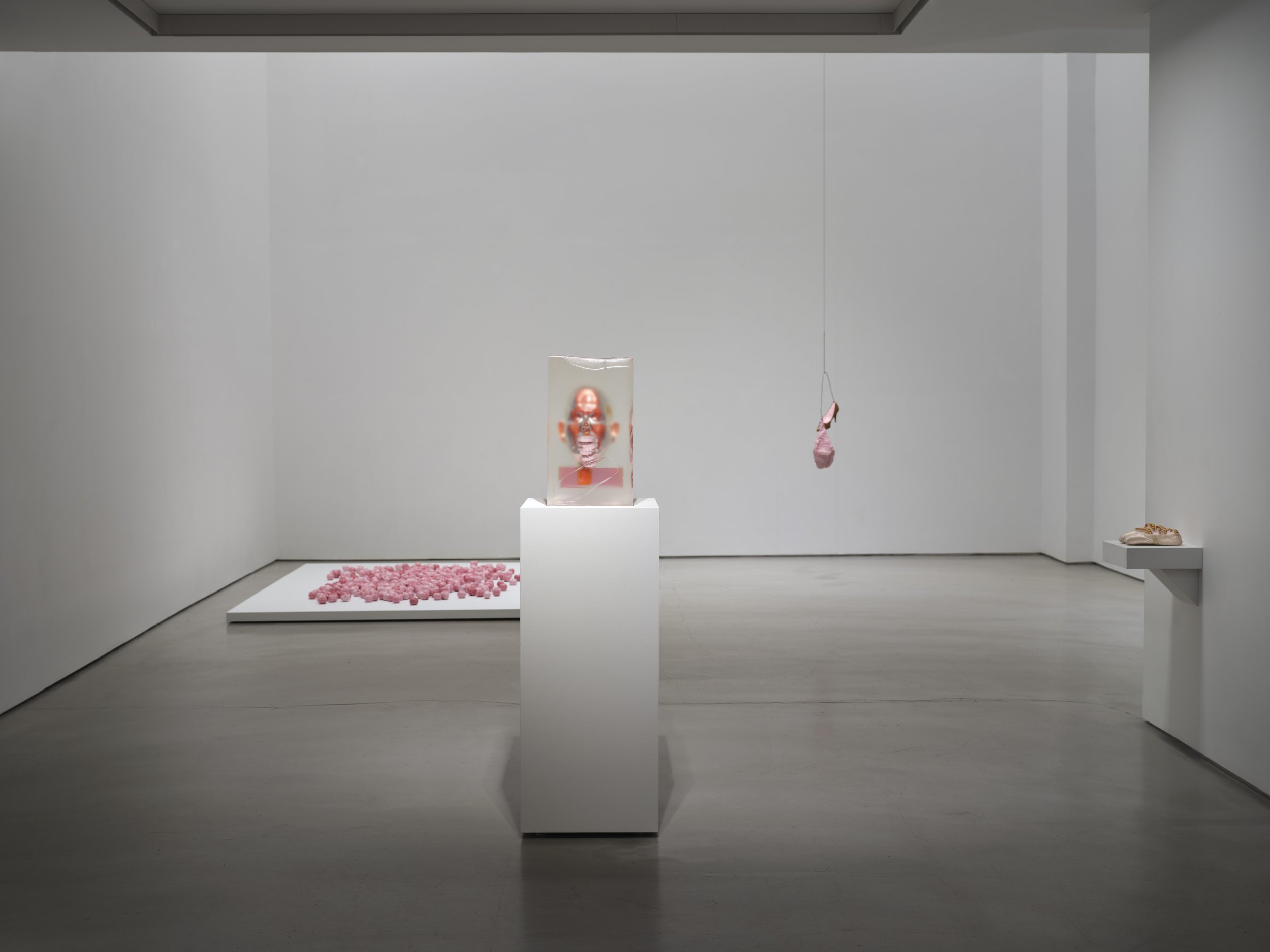
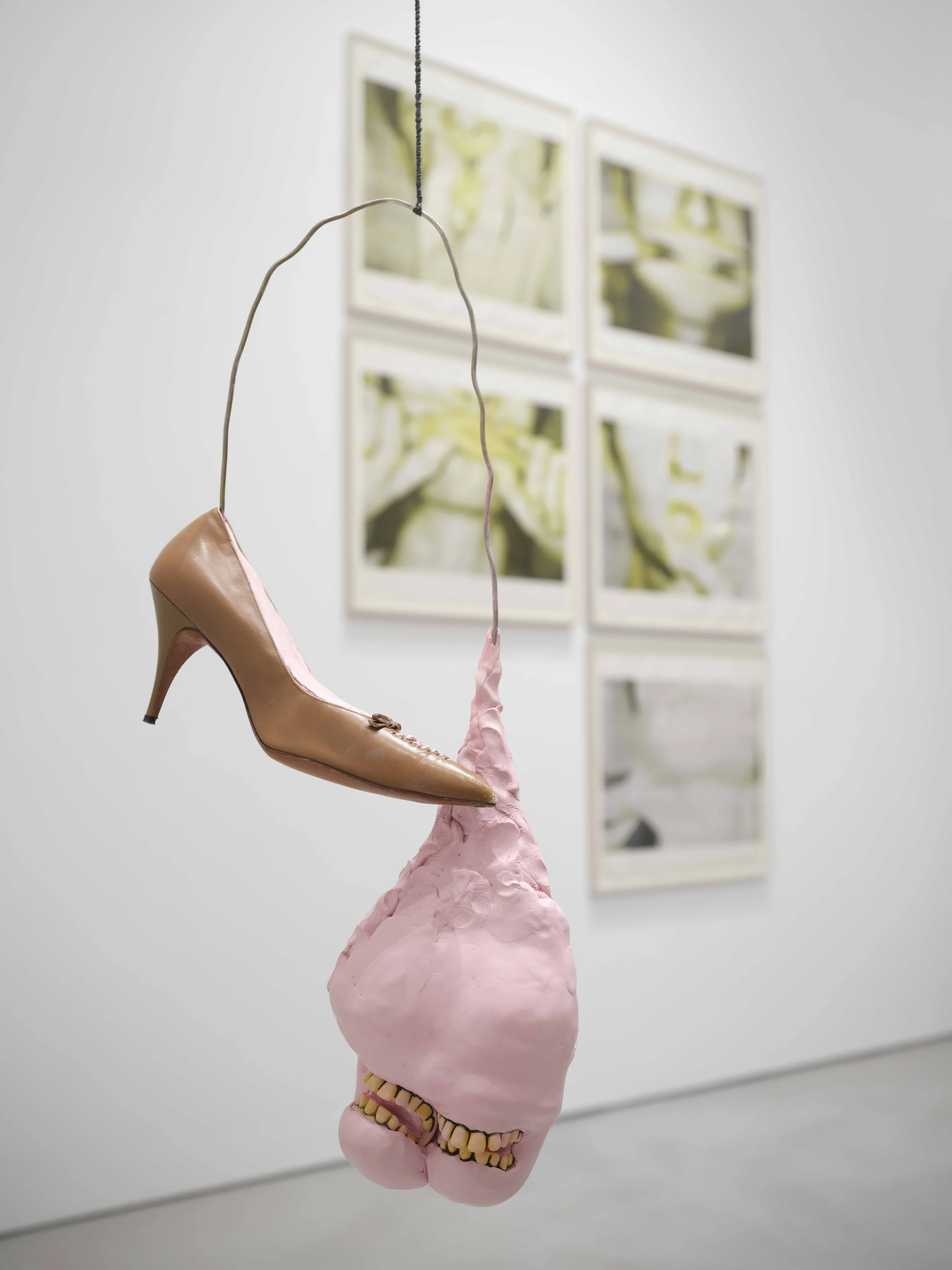
The bodily fragment has been a focus in Pondick’s work since she began making sculpture in the 70s. In the mid-80s, she used found objects that relate to the body—shoes, teeth, chairs—integrating them in modeled forms to make often contradictory and disturbing relationships, that have been seen as emotionally, psychologically, and socio-politically charged. In the early 90s, she started taking casts from her own body —at first from her teeth, later moving to using her head, and other body parts— and continued to incorporate them in unlikely wholes. Pondick has described herself as “a material-holic,” and she has a long history of using a wide range of materials, looking for their suggestive properties. In Small Pink Treats (1992), Pondick embedded casts of her teeth in small pink balls that look like candy—but with a sexual twist—and scatters four hundred of them on the floor. The most recent piece included in the exhibition, Encased Orange with Pink Teeth (2019–23), features an enlarged cast of Pondick’s head floating in an acrylic block evocative of water, of embryonic fluid, and of birth and death. In her installations and individual sculptures—whether hanging, scattered, or encased—Pondick’s psychologically charged work is always deeply engaged with the body.
Bellmer, Nauman and Pondick have deep connections to literature: Bellmer to Sade, Nauman to Beckett, and Pondick to Kafka. If Bellmer’s studio was a laboratory of desire, and Nauman’s a space for psychological unraveling, Pondick’s is a site of bodily metamorphosis.
References
1 Albert Godetzky. “Fleshing Out” in Bellmer Nauman Pondick: Material Desire (Nunu Fine Art, 2025), pp. 13-14.
2 Therese Licthenstein, Behind Closed Doors: The Art of Hans Bellmer ( University of California Press, 2001), pp. 5-6.
3 Janet Kraynak, ed. Please Pay Attention Please: Bruce Nauman Words: Writings and Interviews. (MIT Press, 2005), p. 194.
Artists
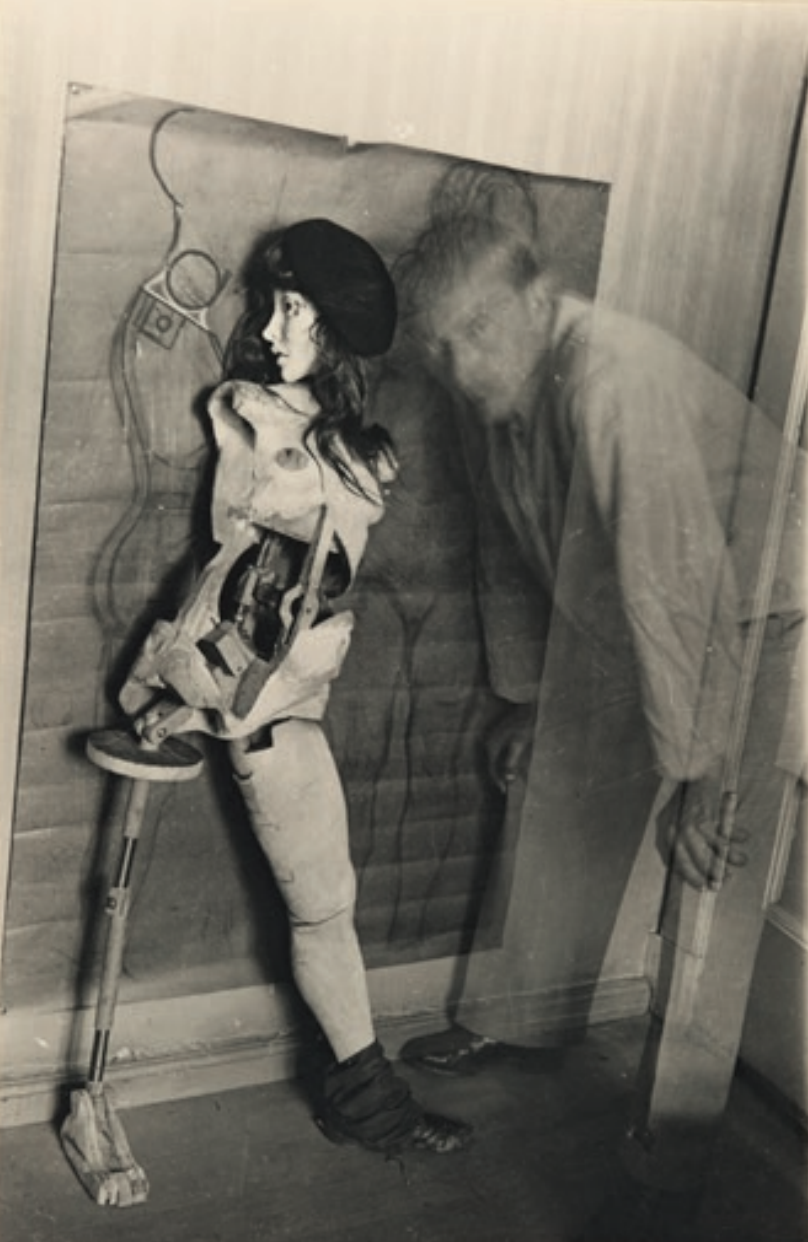
HANS BELLMER
Hans Bellmer (March 13, 1902 – February 24, 1975) was a German artist best known for his drawings and etchings that illustrate the 1940 edition of Histoire de l’œil, and the life-sized female dolls he produced in the mid-1930s. Bellmer’s most acclaimed series of consisted of handmade dolls which he later photographed. He was influenced in his choice of art form in part by reading the published letters of Oskar Kokoschka. Bellmer's doll series is also said to have been catalysed by a series of events in his personal life. Bellmer brings his own artistic creativity into association with childhood insubordination and resentment toward a severe and humorless paternal authority. Bellmer's art has been interpreted as a struggle against his father, the police, and ultimately, fascism and the Nazi state.
Image: Hans Bellmer, Plate from La Poupée["The Doll"], 1936, Ubu Gallery, New York
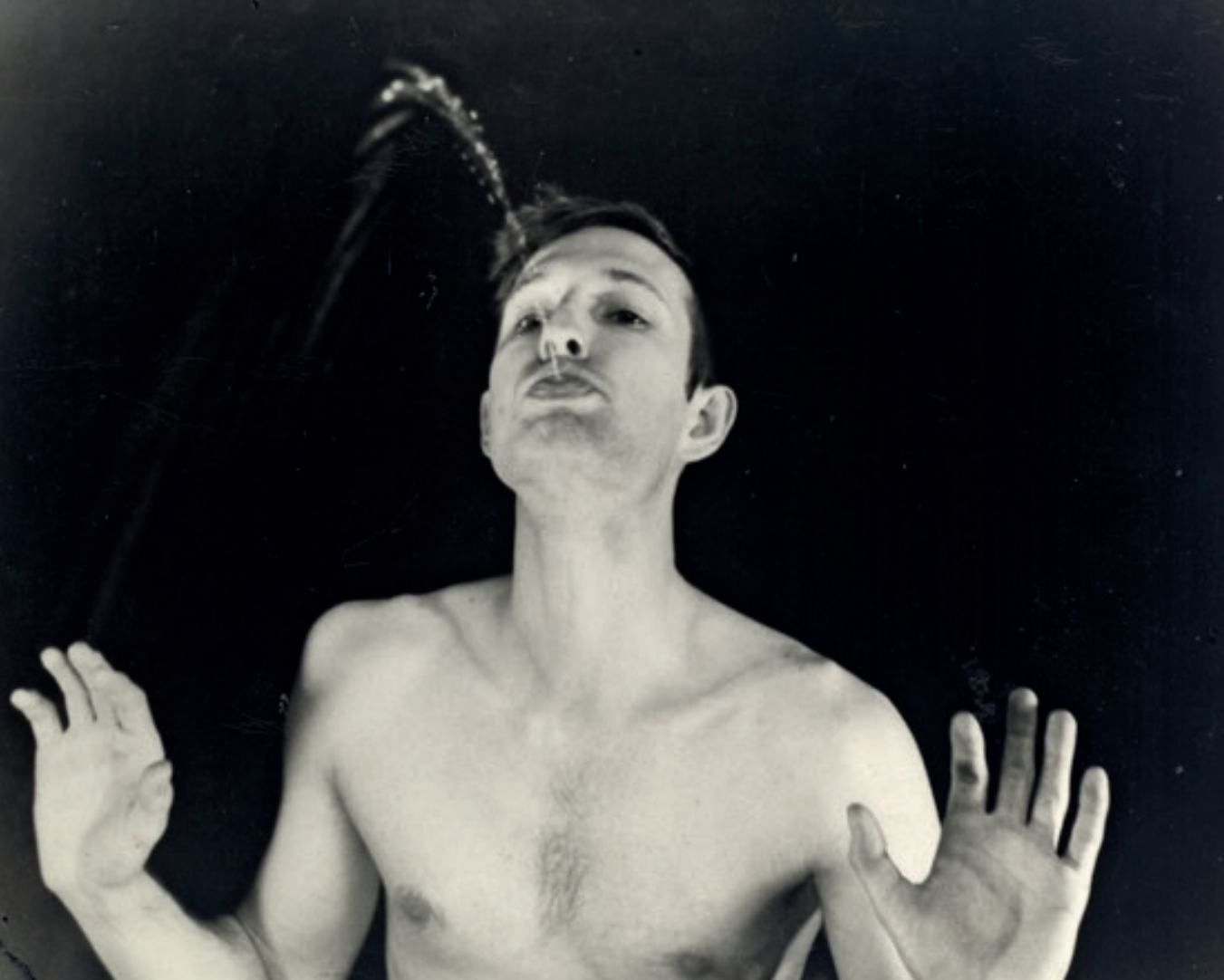
BRUCE NAUMAN
For more than 50 years, Bruce Nauman (born 1941) has worked in every conceivable artistic medium, dissolving established genres and inventing new ones in the process. His expanded notion of sculpture admits wax casts and neon signs, bodily contortions and immersive video environments. Coming of age amid the political and social upheavals of the 1960s, Nauman never adhered to rigid distinctions between the arts, but rather has staked his career on “investigating the possibilities of what art may be.”
Since the mid-1980s, primarily working with sculpture and video, Nauman developed disturbing psychological and physical themes incorporating images of animal and human body parts, depicting sadistic allusions to games and torture together with themes of surveillance.
Image: Bruce Nauman, Reproduction proof of Self Portrait as Fountain, 1966
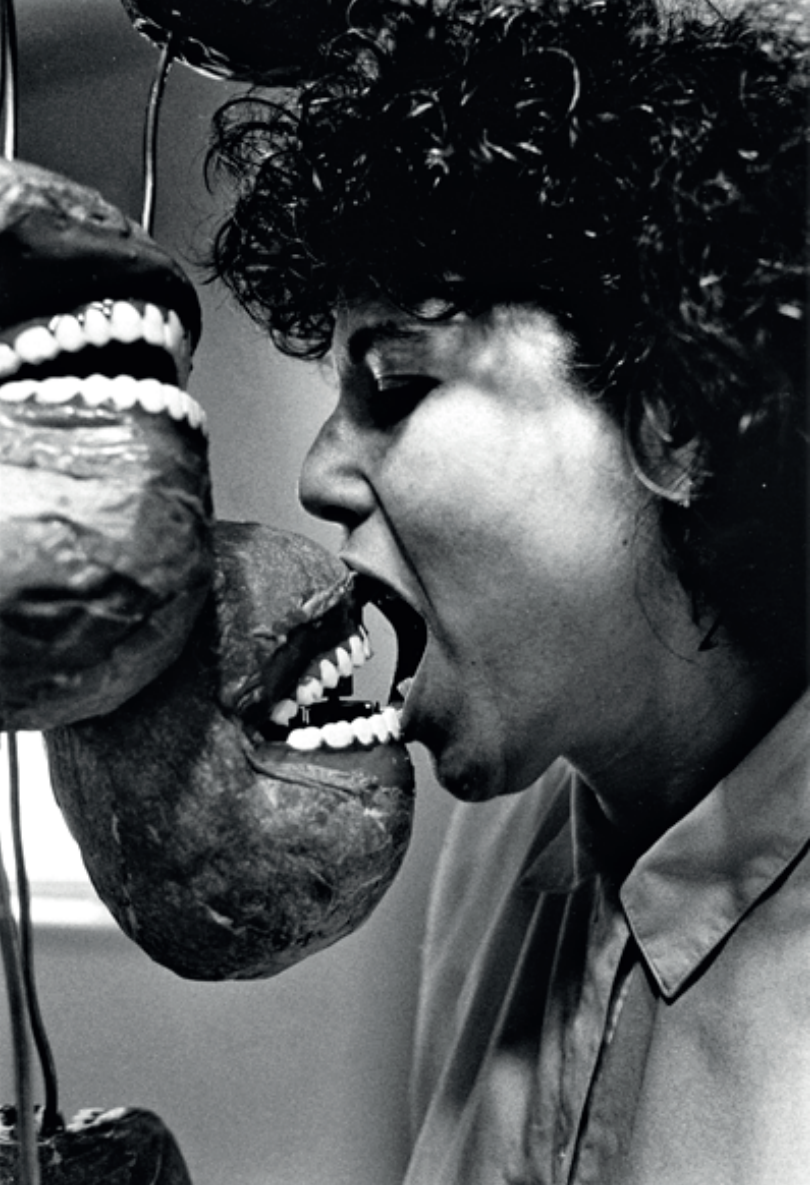
RONA PONDICK
Rona Pondick (born 1952) is an American sculptor who uses the language of the body in her sculpture, in both a literal and a metaphorical sense, which has been of interest to Pondick since the beginnings of her career in 1977. An abiding concern of hers has been the exploration of the use of different materials, a consistent motif that runs throughout her work from its beginnings to the present day.
Her work can be divided into two stylistic periods: early work based on fragments that reference the human body,[6] and later work centered around the human body as part of hybrid sculptures, merged with forms from nature of flora and fauna. Pondick uses traditional sculptural methods such as carving, hand-modeling, mold-making, and metal casting, as well as the latest in 3D computer technologies, which speaks to the breath of her material exploration.
Image: Rona Pondick with Charms, 1992
Press

RONA PONDICK with Barbara MacAdam
INTERVIEW BY BARBARA MACADAM, March 11, 2026

MATERIAL DESIRE
BY LEIGH ARNOLD AND MEGAN LIU, March 6, 2026

Three Generations of Artists Dissect the Human Form at Nunu Fine Art
March 7, 2026

Bellmer Nauman Pondick: Material Desire at Nunu Fine Art New York
BY GERDA KRIVAITE, February 18, 2026
The Sculptor Rona Pondick: “My Art is in Constant Motion”
INTERVIEW BY VALENTINA BARBIERI, February 7, 2026

Material Desire and the Visceral Body
INTERVIEW BY MIA FUNK, October 29, 2025