Guan-Hong Lu: Paradigm Shift
December 5, 2026 – January 23, 2027
Nunu Fine Art Taipei is pleased to announce the opening of Paradigm Shift on December 5, 2026, a solo exhibition by Taiwanese artist Guan-Hong Lu, his second with the gallery and the first in Taiwan.
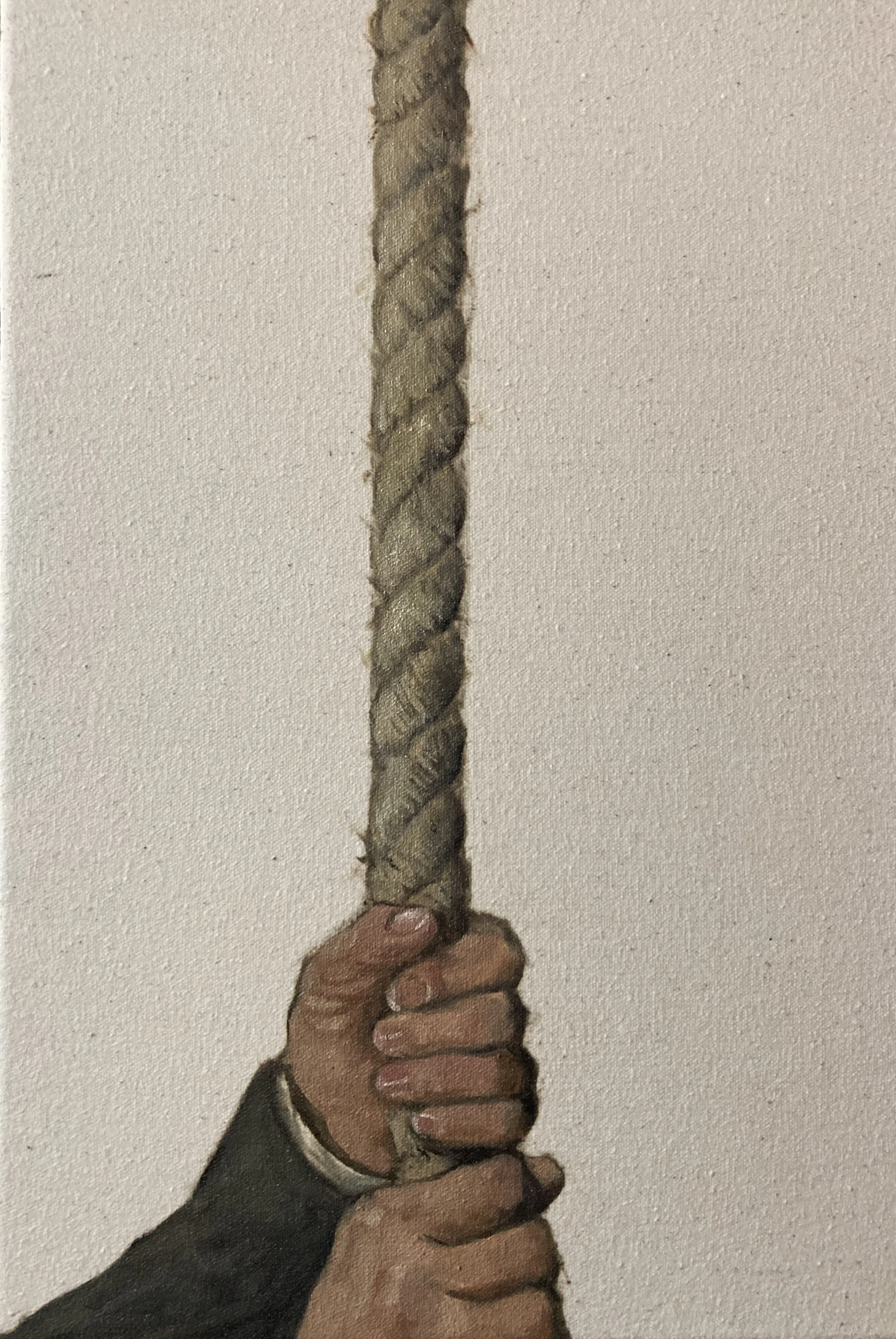
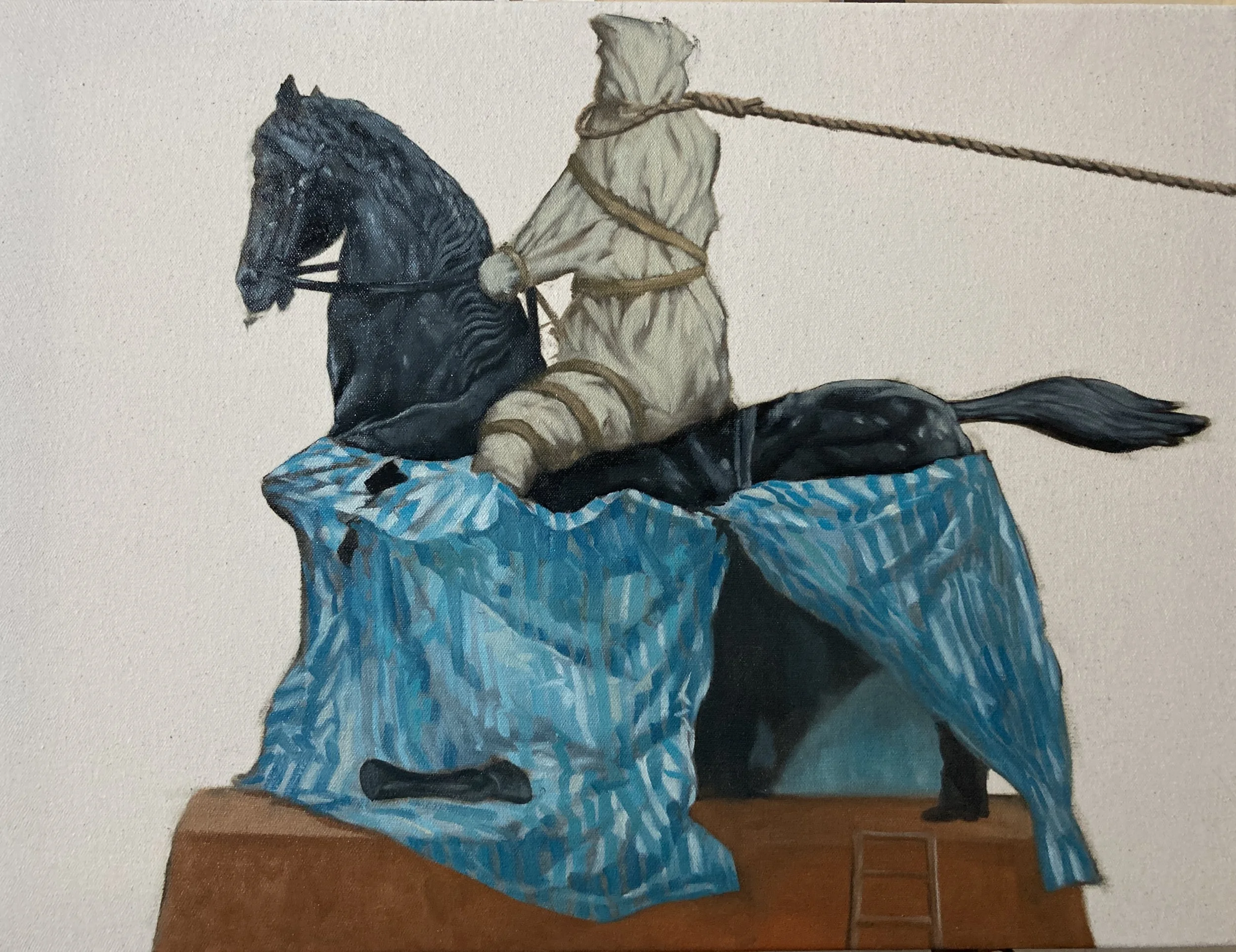
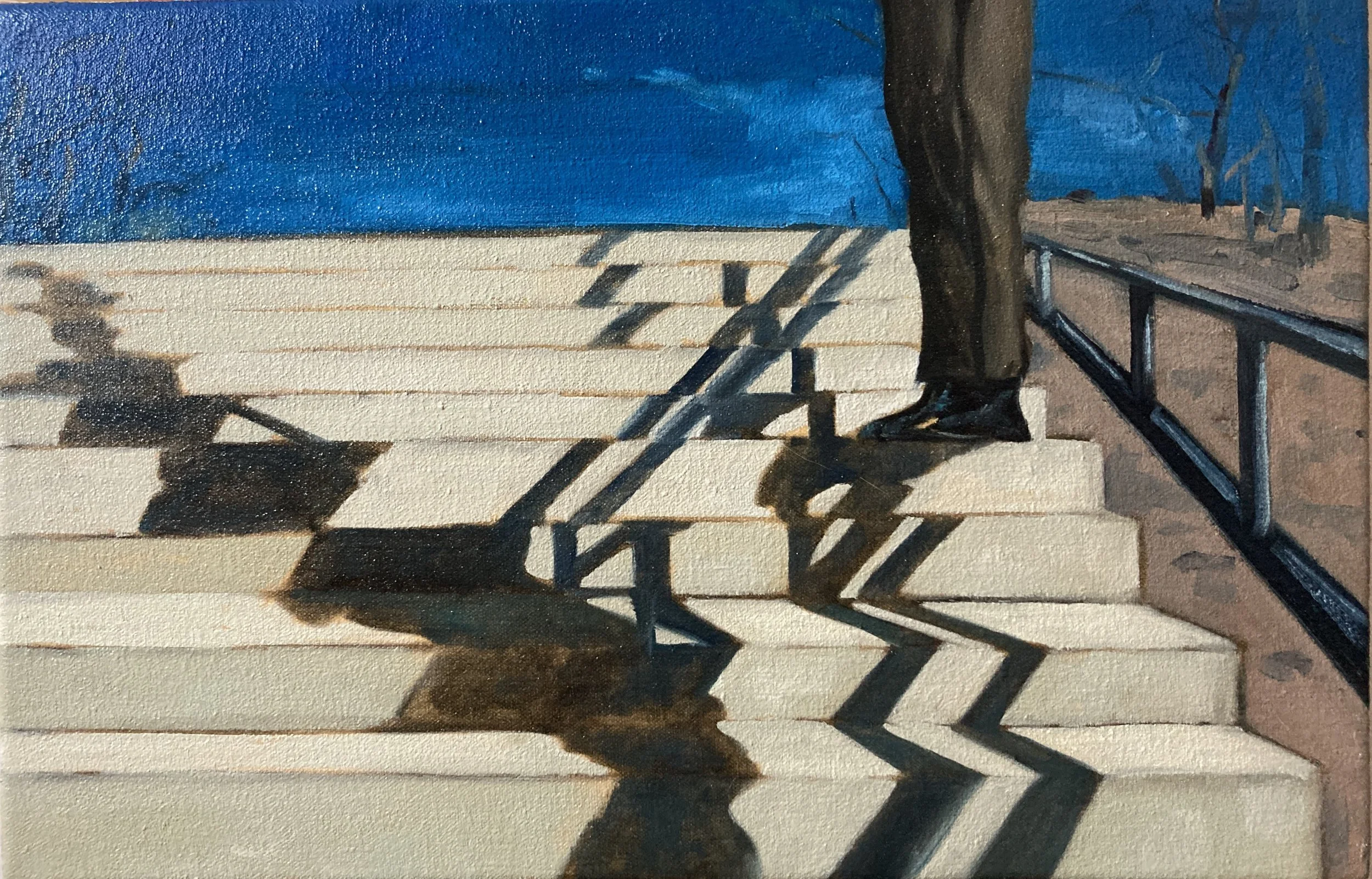
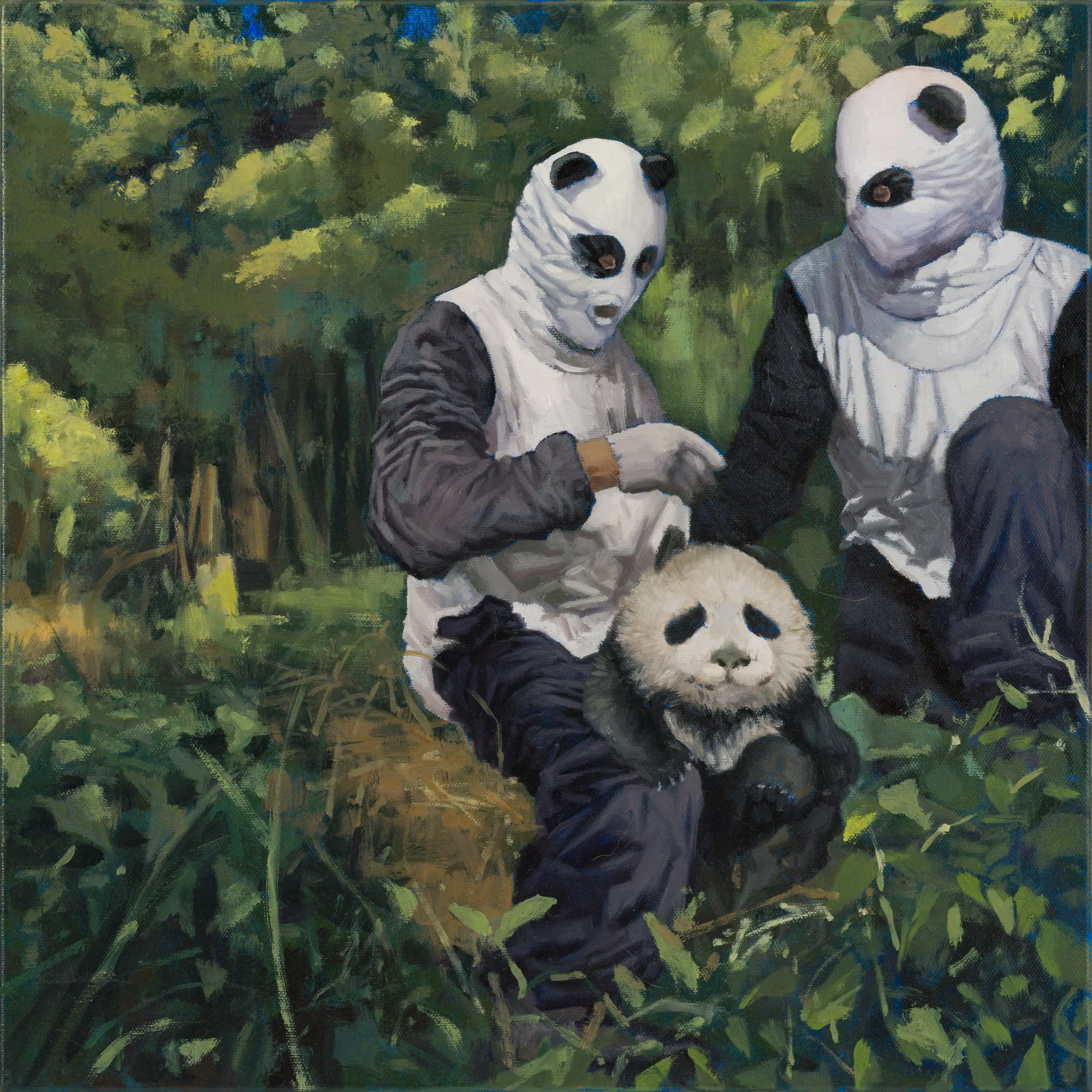
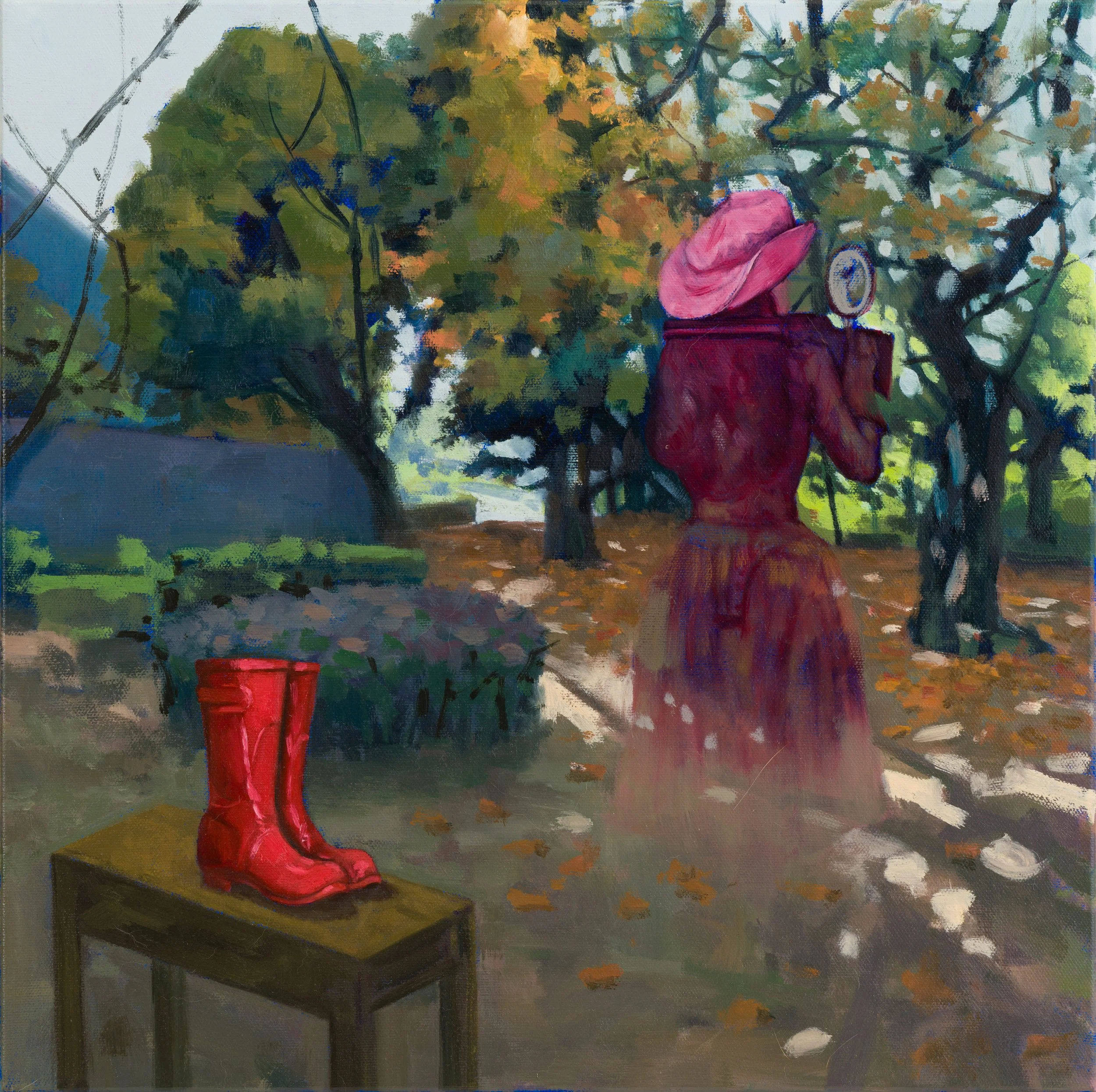
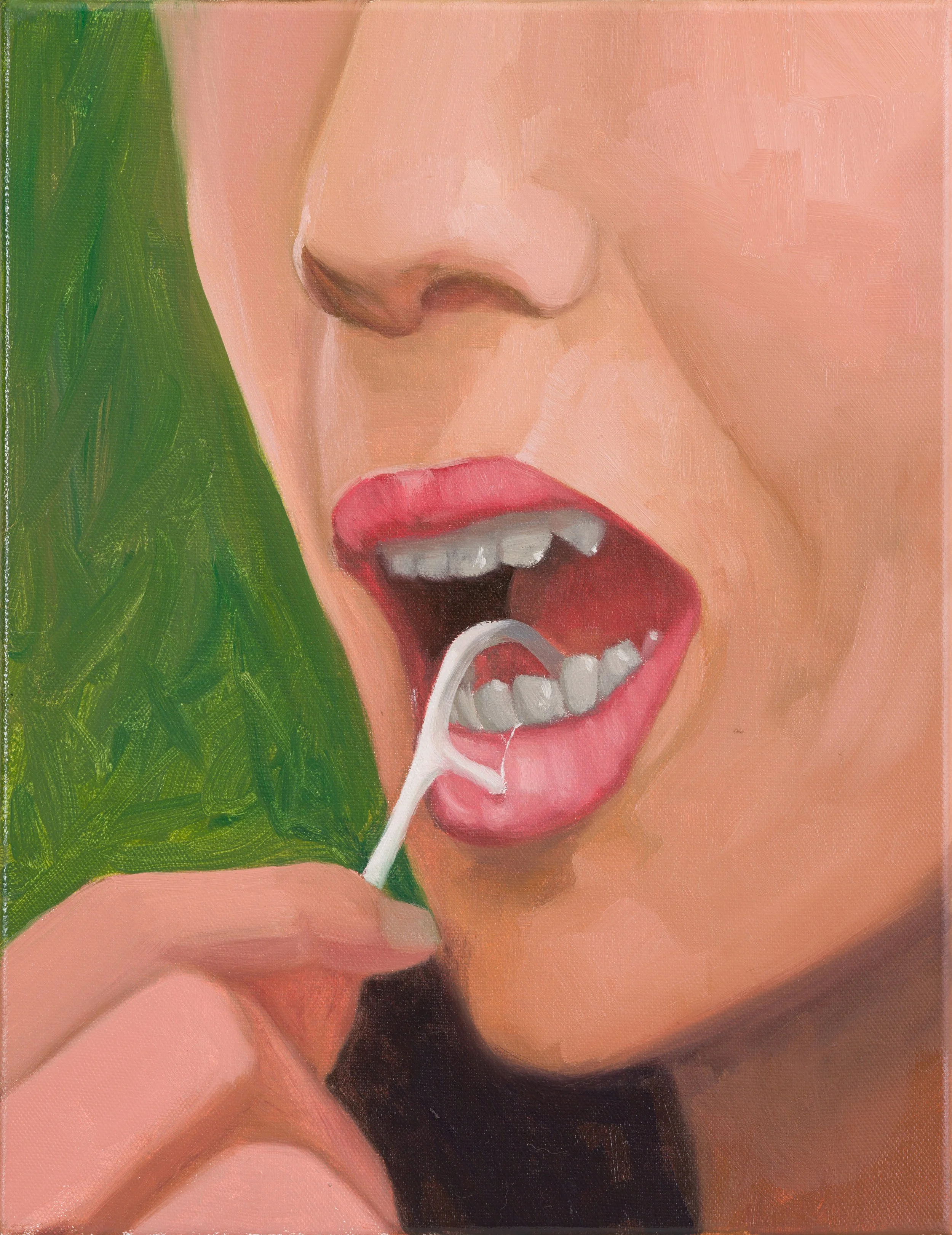
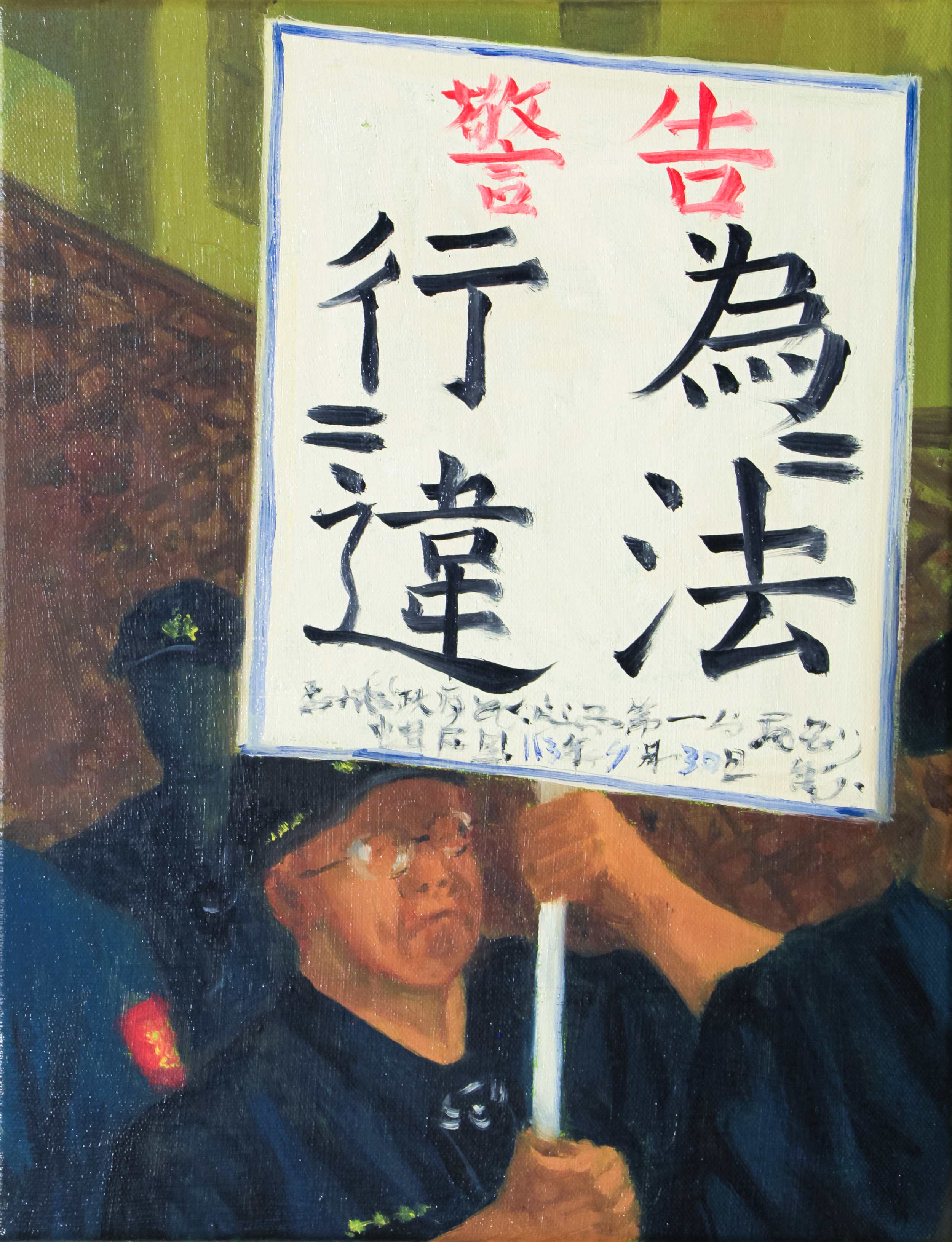
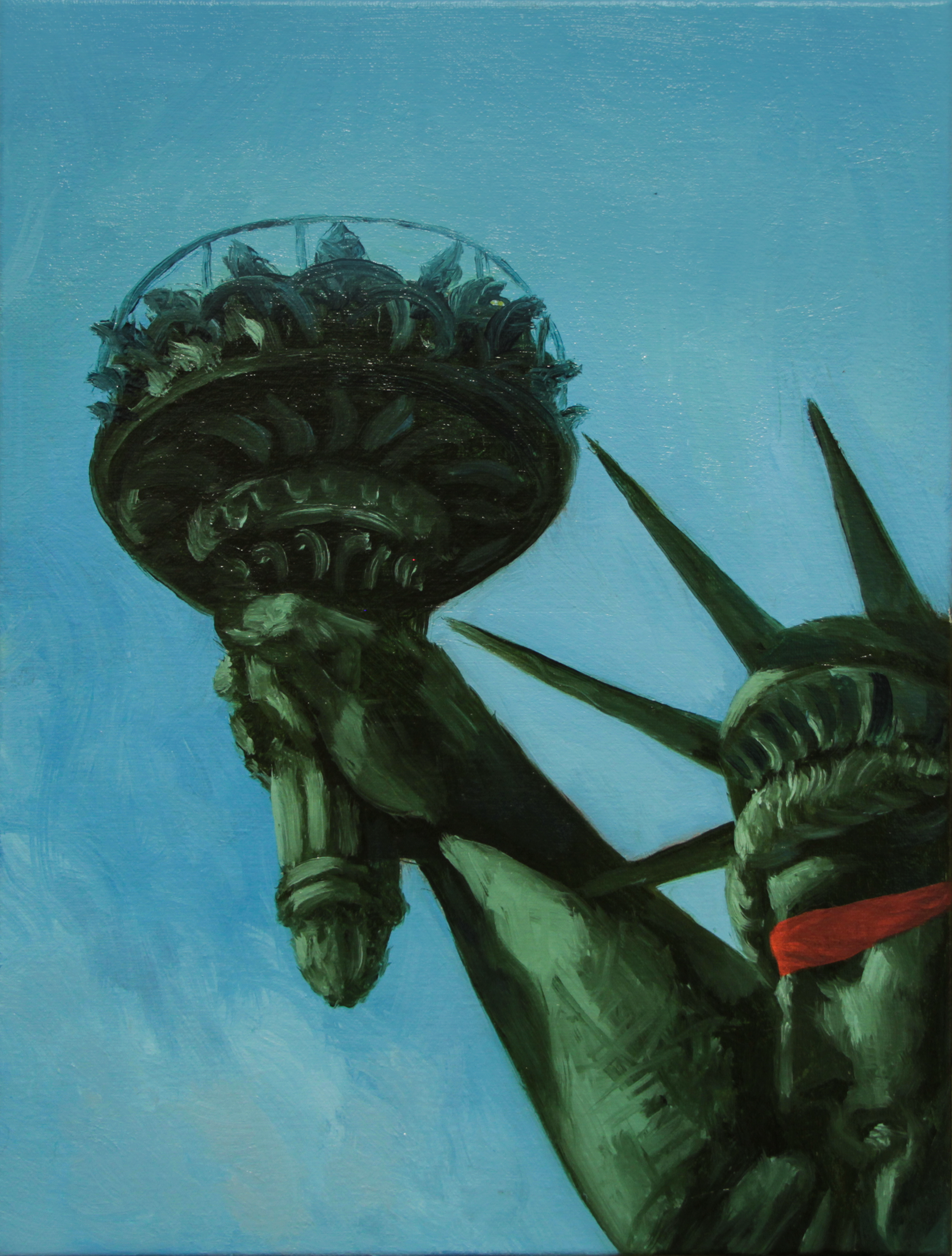
Featuring nearly thirty paintings, the exhibition examines the cognitive frameworks through which we understand the world, drawing on close-up depictions of hands, feet, shoes, and shadows, as well as glimpses of everyday life and personal experience. At times humorous and subtly satirizing contemporary culture and reality, Lu’s works absurdly shift familiar images and situations, inviting viewers to reconsider how they make sense of the world around them.
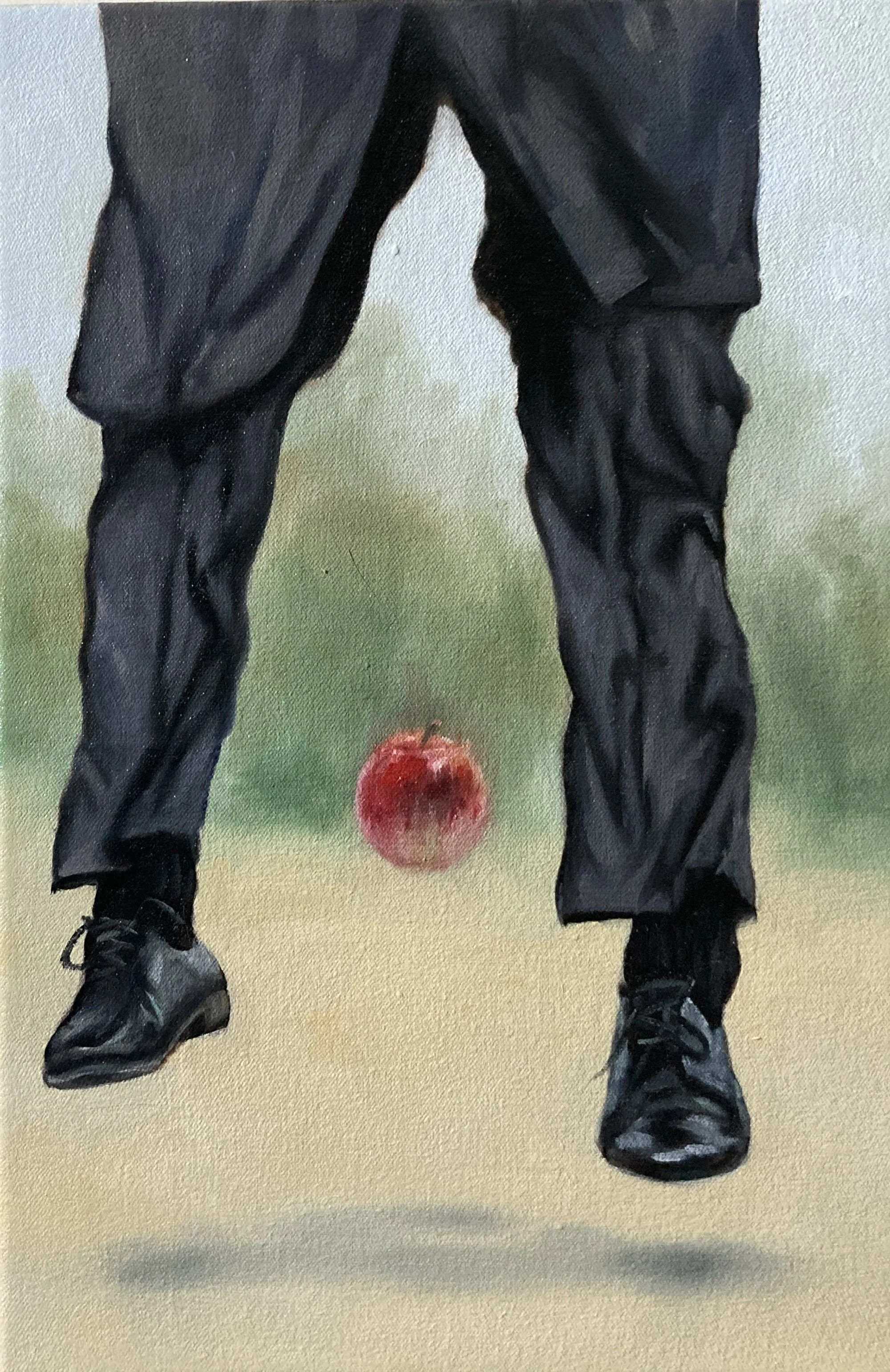
Originally a term from the history of science, “paradigm shift” describes the process through which an established framework of knowledge is challenged, revised, and ultimately replaced when it can no longer adequately account for new questions and phenomena. Lu adopts this interdisciplinary term as the title of the exhibition not to propose a new paradigm through painting, but to examine the habitual modes of understanding we use to make sense of the world. The clarity of figurative painting often encourages the belief that recognizable images can help us reconstruct an event's causes and consequences. Yet in Lu’s works, gestures may lose their references, shoes may detach from bodies, shadows may no longer obey their makers, and figures may be deliberately cropped at the frame’s edge. As a result, seemingly self-evident relationships of space, direction, and causality begin to loosen. Even measurable phenomena such as gravity, friction, and scale appear to operate in an altered state.
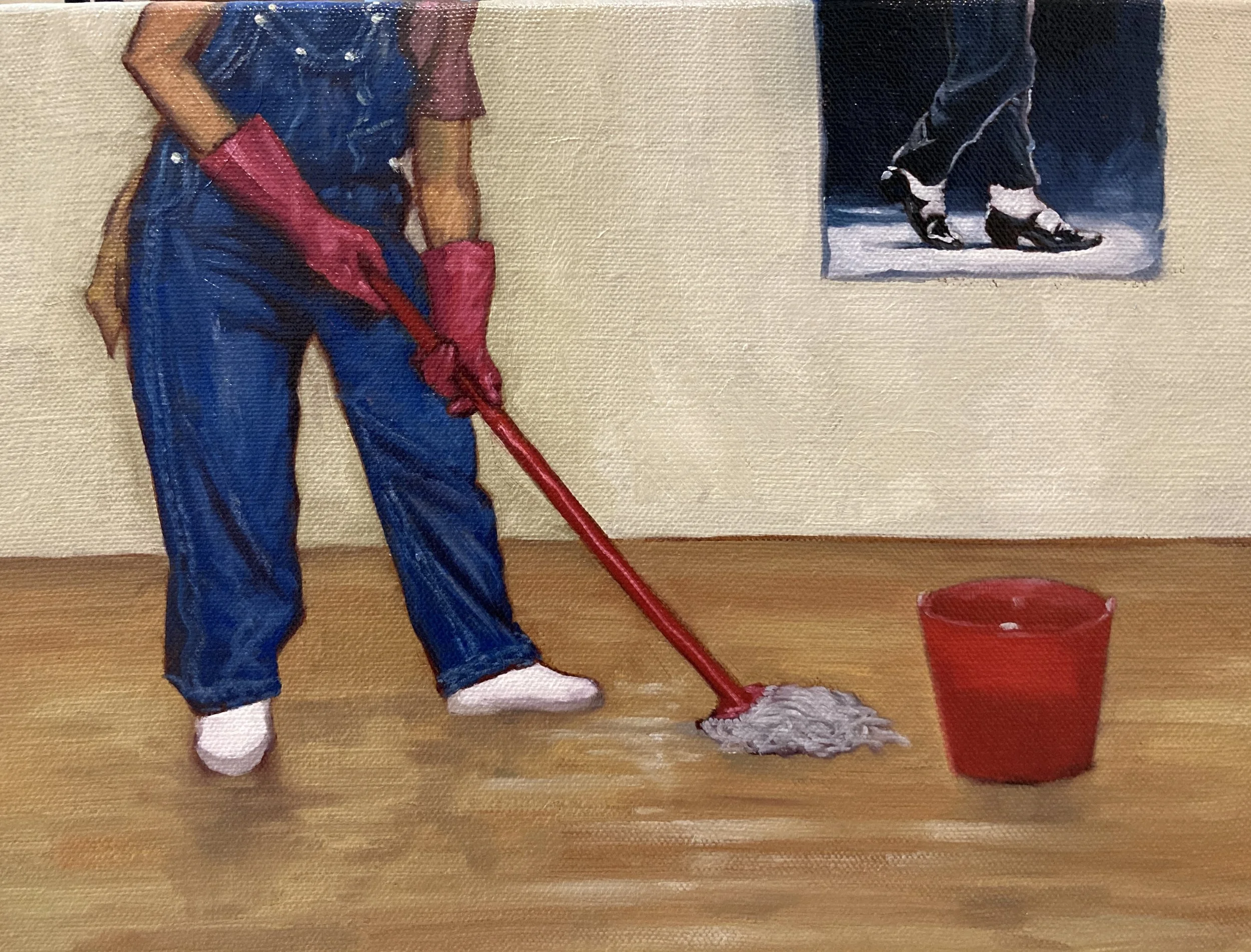
The relationship between titles and images forms another important aspect of Lu’s practice. Chinese and English titles may each invoke different cultural contexts, while seemingly independent paintings can generate new narratives through juxtaposition and intertextual connections. In King of Mop (2025), a cleaner repeatedly pushes a mop as part of an everyday task, while a poster behind him depicts a well-known popular dance move that alludes to defying gravity. The English title plays on the designation “King of Pop,” turning the labor of cleaning into an unexpected encounter with a pop icon's performance. The figures’ faces are deliberately cropped from the composition, leaving only shoes and movement; viewers may identify the performer through these visual clues while also assuming the cleaner’s gender in the absence of sufficient evidence. What remains outside the frame is therefore not truly absent but continues to shape how viewers understand the figures and the situations they inhabit.
This attention to what exists beyond the frame extends to the relationships between individual works. It's Not Personal (2026) and It's Strictly Business (2026) function as independent paintings while forming a pair through their juxtaposition. The former depicts a thermal image on a laptop screen, evoking footage of an air strike; the latter presents a soldier traveling in a vehicle, with a bright, game-like landscape visible through the window. Their Chinese titles correspond to one another, forming the sentence “It’s not personal; it's strictly business,” further altering the meaning of each image through their relationship to one another.
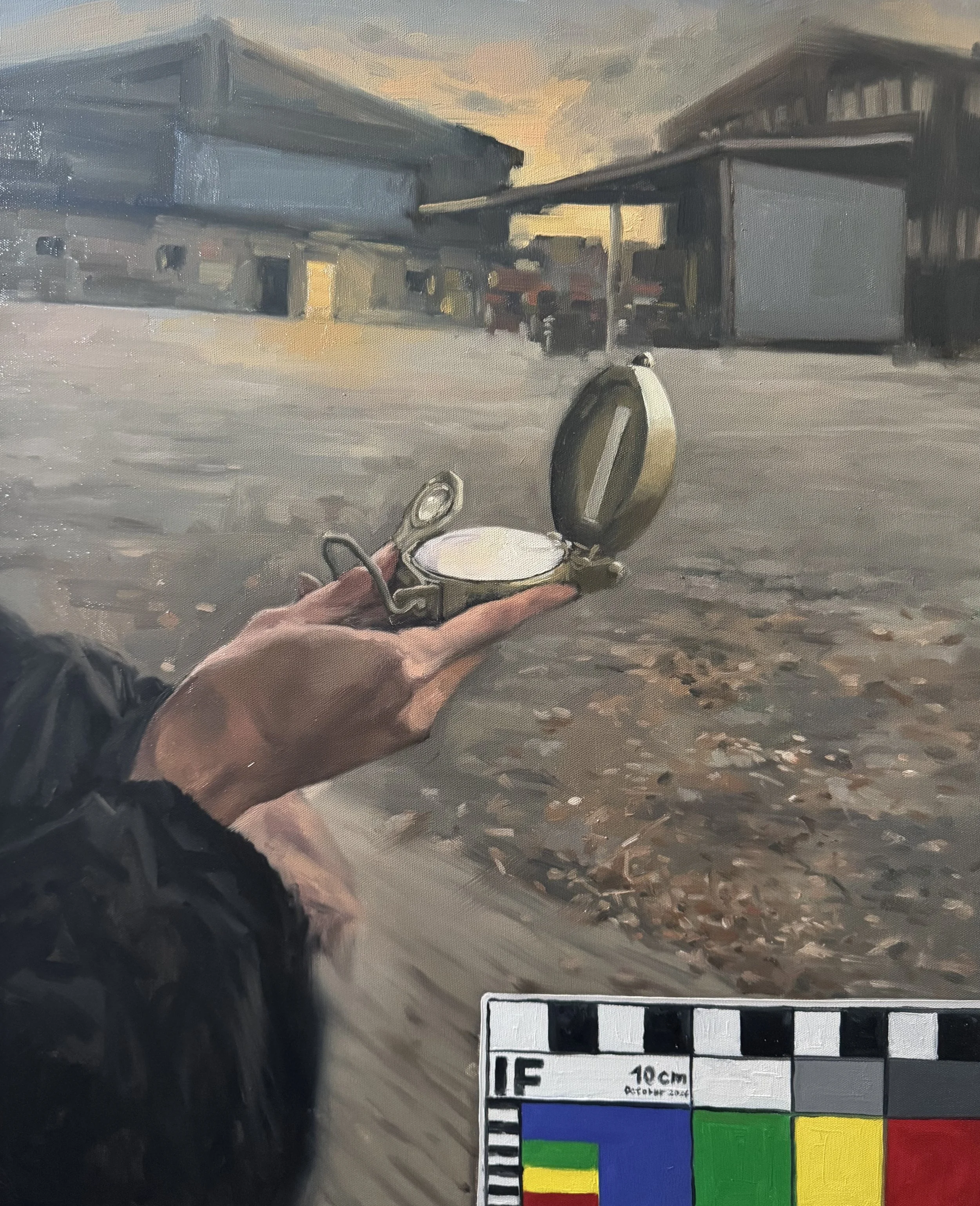
In If and When (2026), a compass and ruler, tools ordinarily used to determine direction and measure scale, are the focal point of an otherwise industrial scene. The ruler bears only the letters “IF,” resembling an unfinished hypothesis. While measuring instruments can provide concrete data, they cannot quantify the intimacy, hesitation, and distance embedded within human relationships, nor can they provide definitive coordinates for defining them.
For Lu, the meaning of a painting continues beyond the boundaries of the frame; it also exists in the connections between works, the cultural contexts implied by their Chinese and English titles, the memories that remain outside the image, and the assumptions viewers unconsciously bring to the act of looking. These clues do not lead to a single, definitive answer; instead, they may generate new understandings, or even misreading. Rather than fixing meaning within a clear conclusion, Lu remains attentive to the possibilities and ambiguities that continue to emerge through the process of viewing. Even when the objects before us remain unchanged, repeated looking may lead us to discover that we understand them in a new way. Paradigm Shift thus transforms painting into an opportunity to reconsider perception and interpretation, allowing familiar things to acquire new meaning through the act of looking.