Ya-Ting Kao — Tactile Synchronicity: The End of Linear Time
June 19 – July 25, 2026
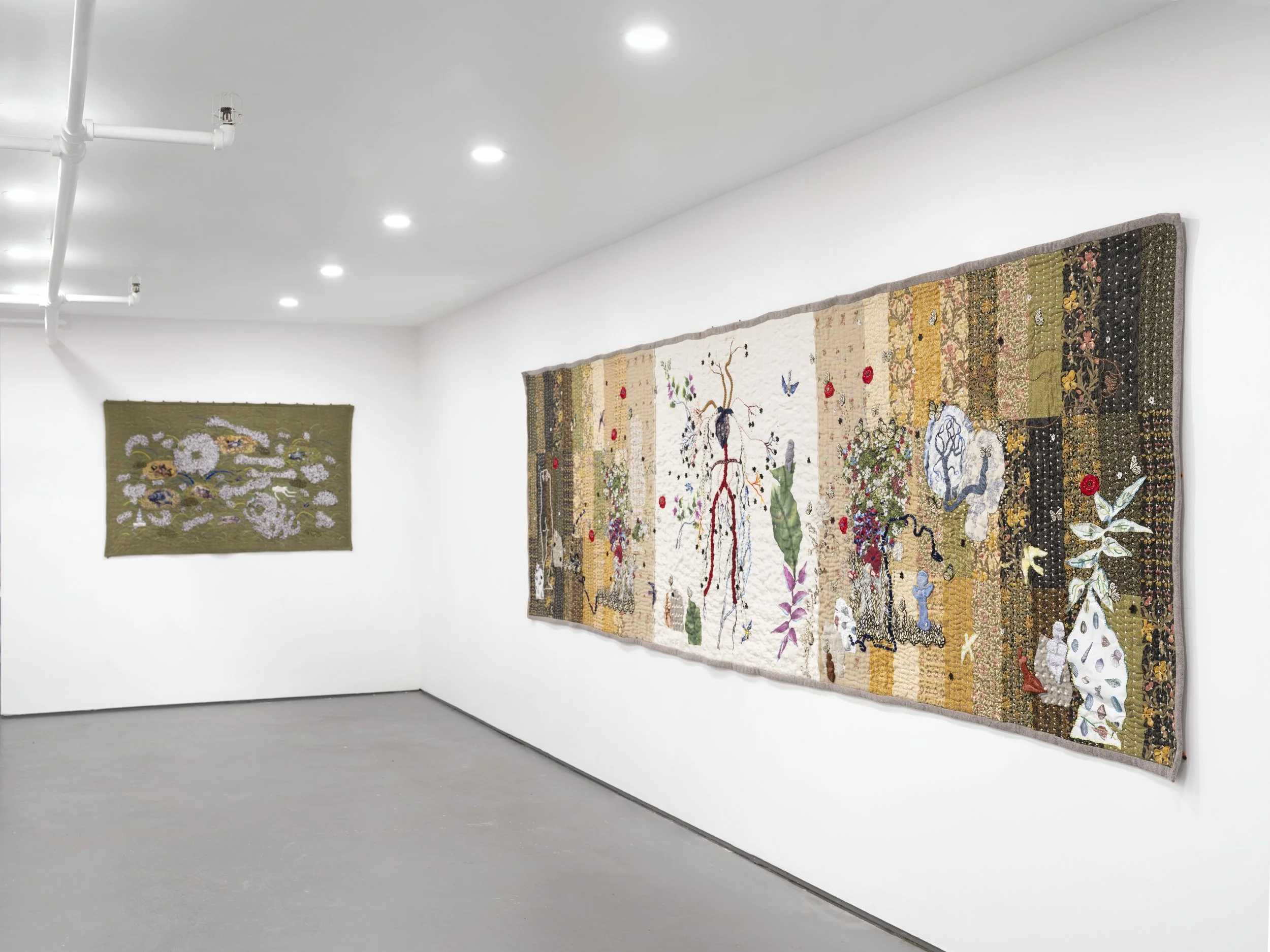
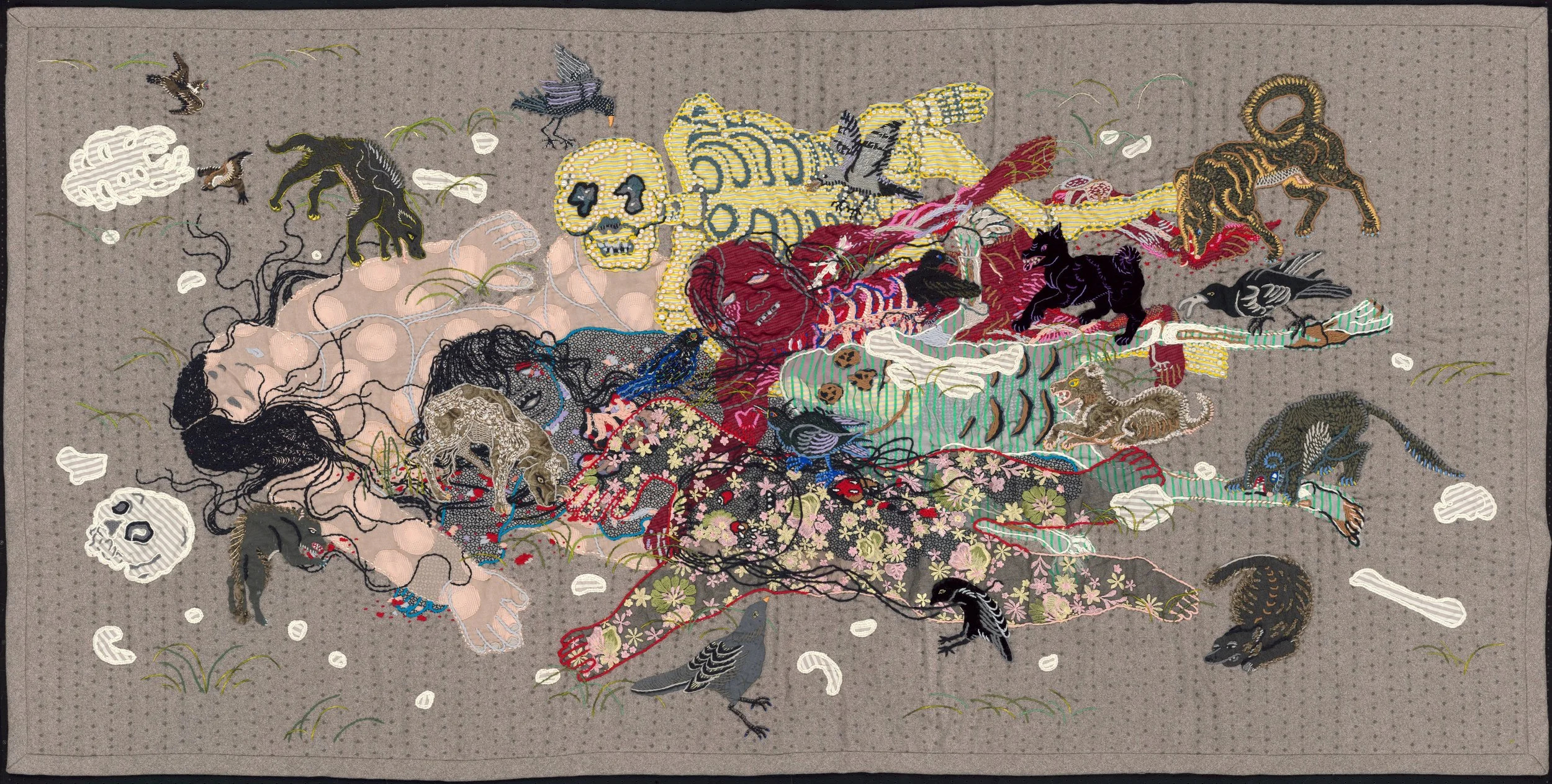
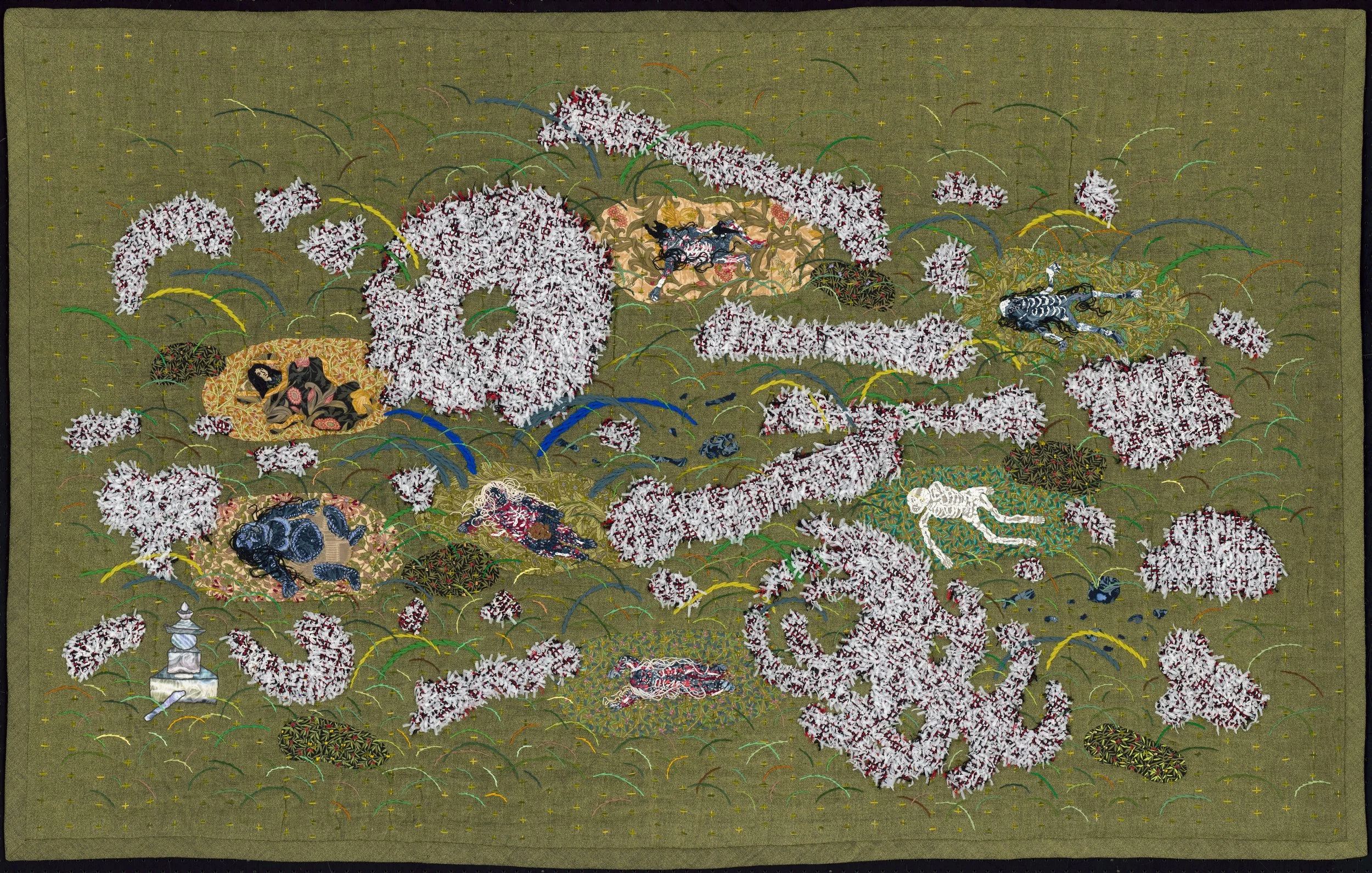

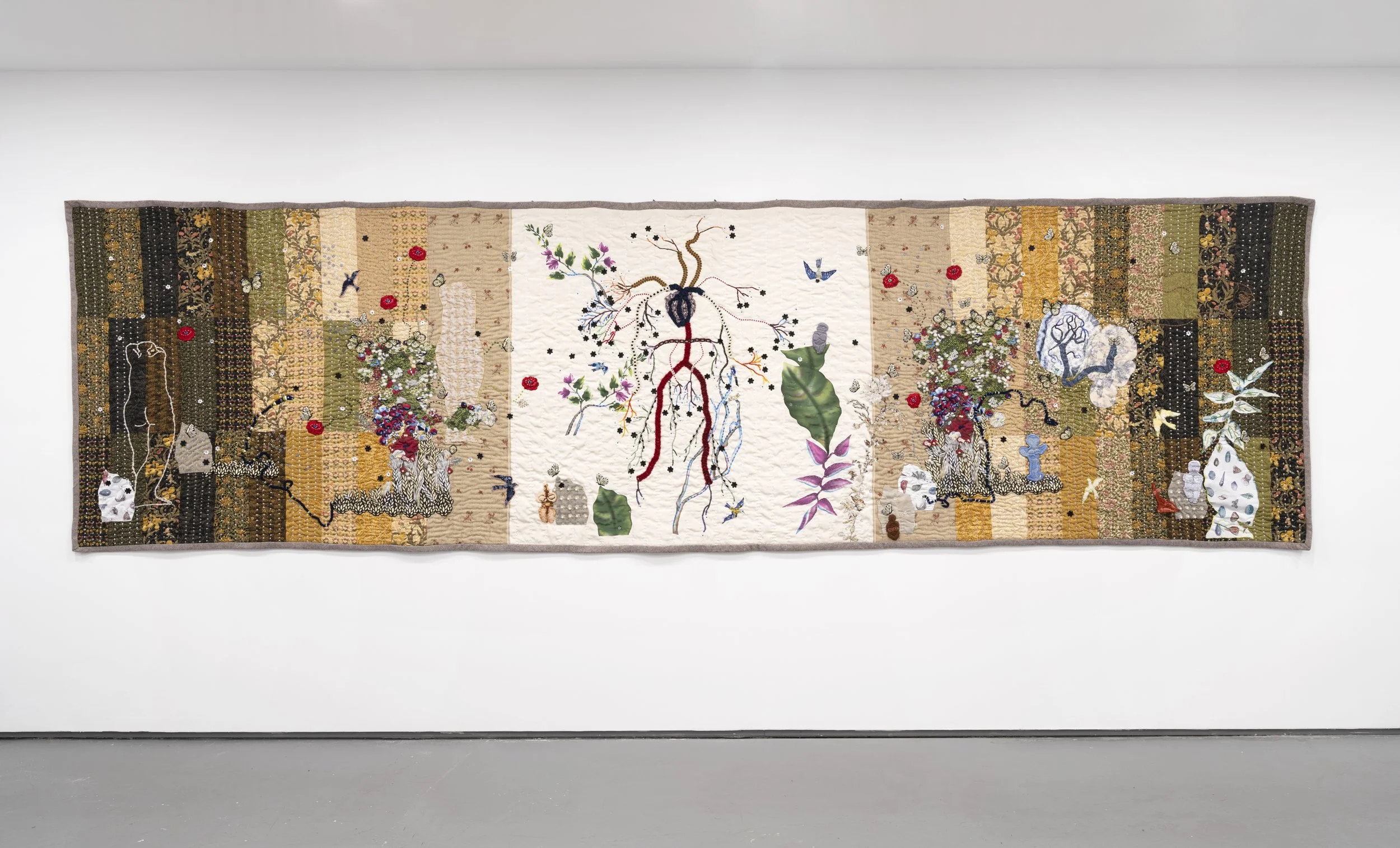
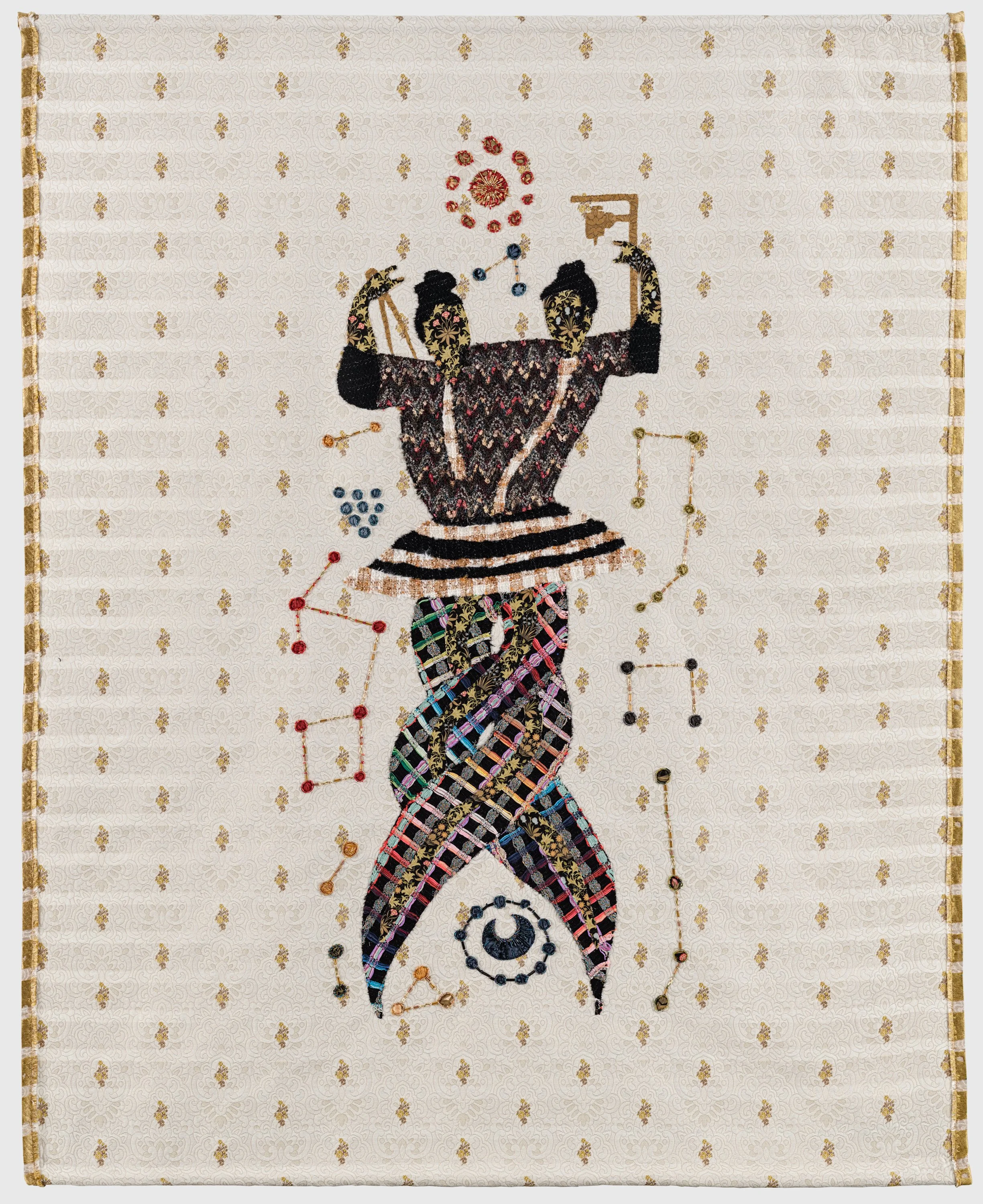
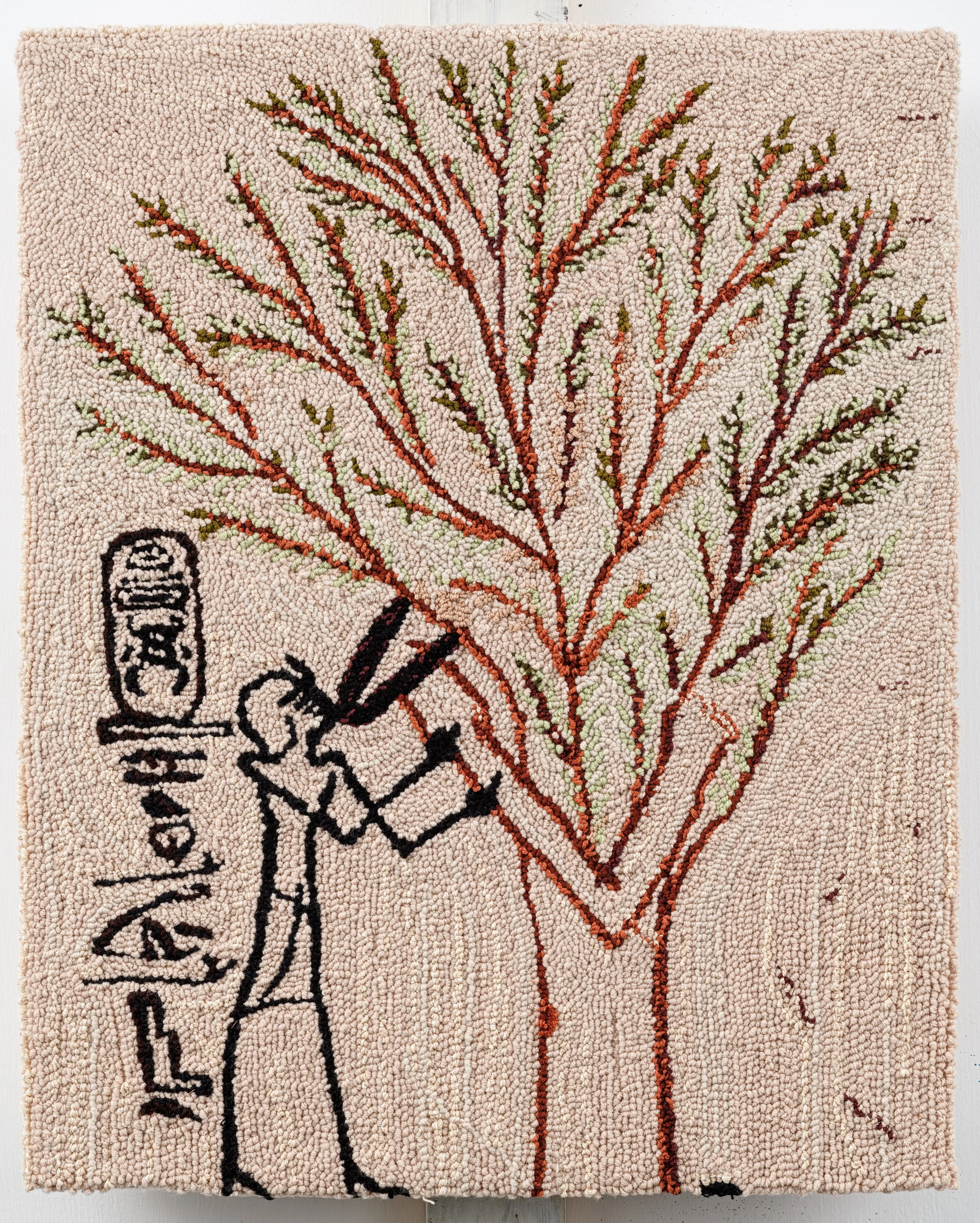
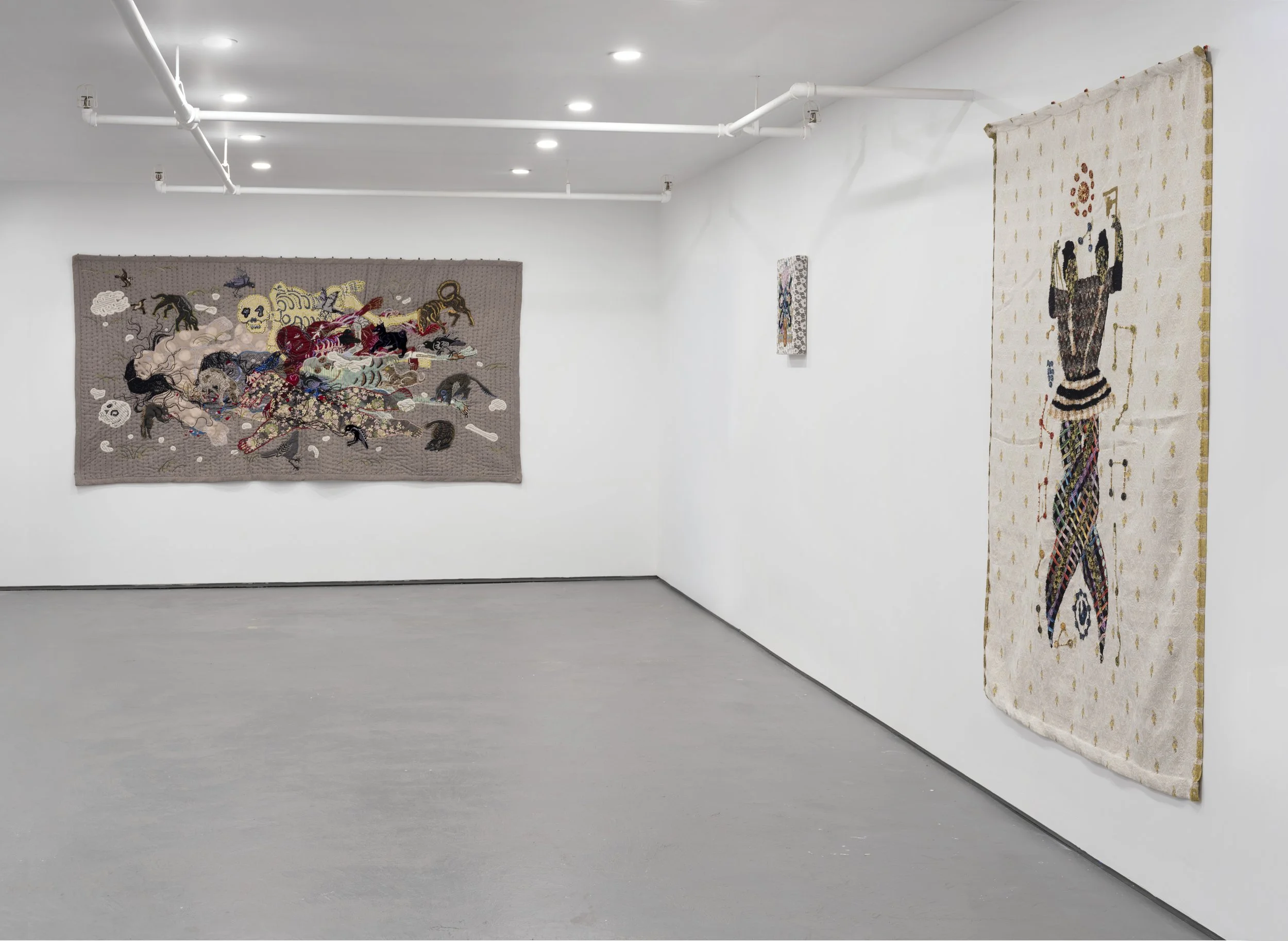
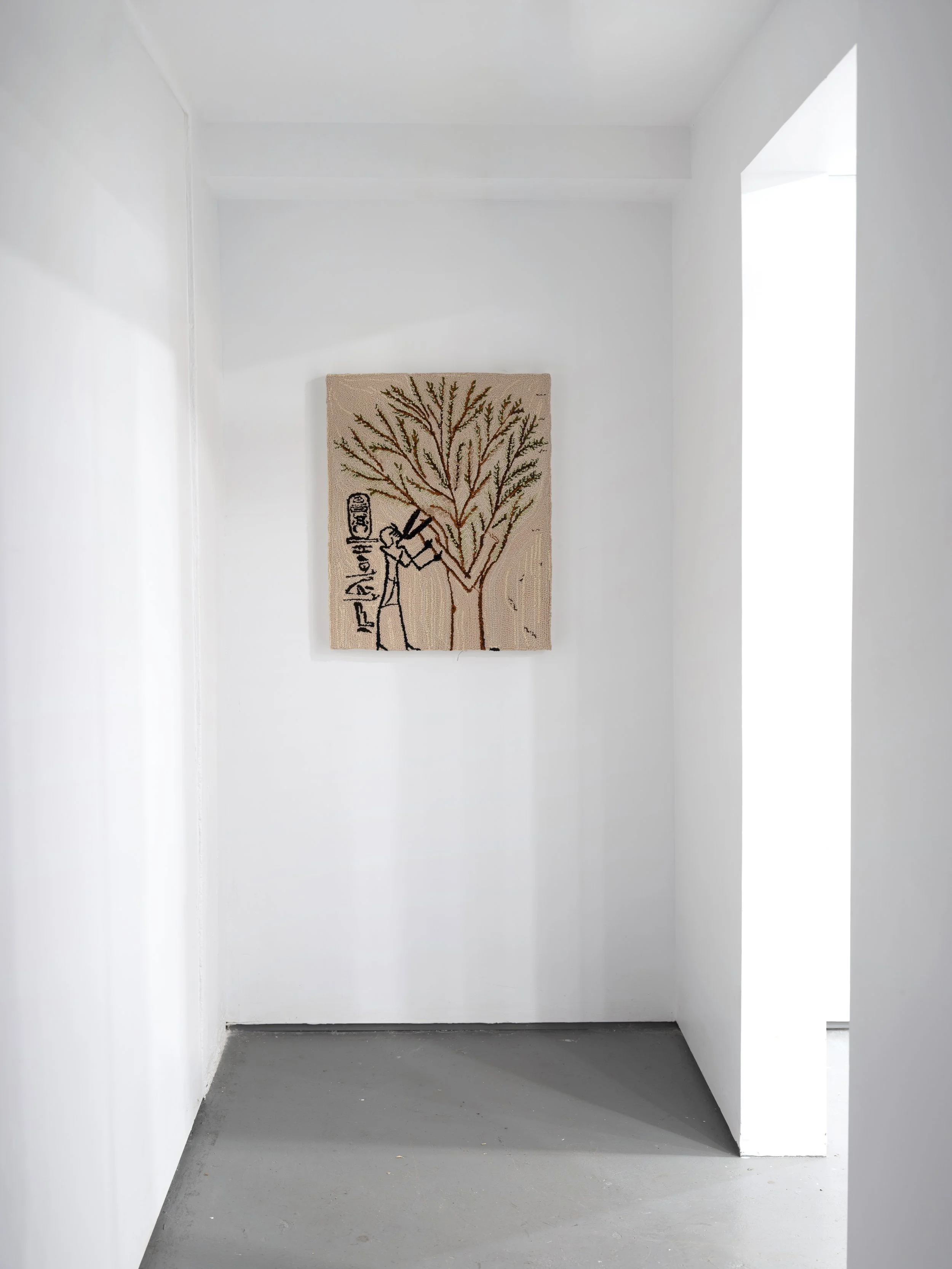
Nunu Fine Art New York is pleased to announce Tactile Synchronicity: The End of Linear Time, the first solo exhibition of Taiwanese artist Ya-Ting Kao (b. 1981) in New York, as the next installment of the PROJECT SPACE: ASIAN VOICES program. In a series of new textile works, the artist disrupts the irreversible progression of linear time to propose a world where multiple states of being exist simultaneously.
The exhibition contemplates the Buddhist visual tradition of the nine stages of decay, which describes states of impermanence and transformation. Each stage refers to a different state of decomposition, from the cessation of life to swelling and putrefaction and ultimately to bone and dust, illustrating the process through which life moves from existence to dispersal. Kao reinterprets this concept, transforming the nine stages from a linear sequence pointing toward dissolution into a symbolic framework in which multiple states of life and death coexist simultaneously. In doing so, she reframes these stages not as a chronological progression, but as a meditation on temporality.
This selection of textile works envision existence beyond the physical form, constructing a space where our earthly remains transform into celestial bodies. In The Sun, The Moon and The Stars (2023), Kao embellishes the embroidered surface with shimmering nodes of intricate beadwork. The “stages,” no longer symbols of decay, are instead transformed into stellar trajectories of becoming. In the Name of the Mother (2024) expands the horizon of becoming to encompass and revere the maternal body as the origin of life. Layers of accumulated satin, tweed, and cotton present the dissolution of the flesh not as an end but rather as a gentle process of “returning to the mother,” where the fear of death gradually dissolves and is replaced by a sense of care, containment, and regeneration.
In stark contrast to the accelerated pace of contemporary society, Kao employs meticulous handcrafted techniques to weave what might be understood as a “slow force,” guiding viewers away from the anxiety produced by linear time. Through this dual transformation of perception and temporality, we are no longer compelled to wonder what comes next but are instead invited to experience ourselves as many simultaneous moments in a space where past, present, and future collapse.